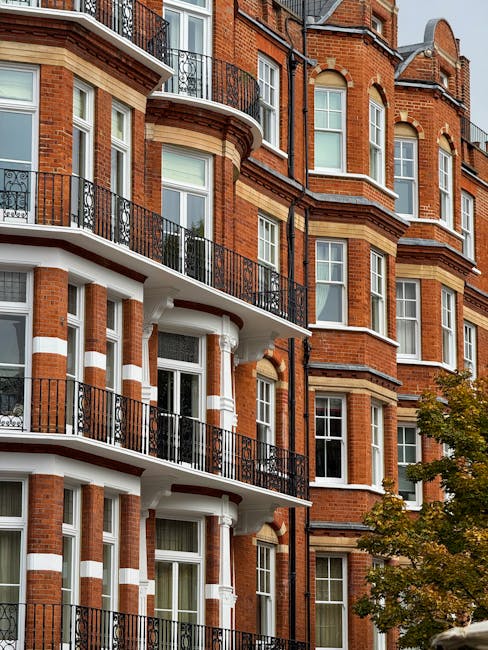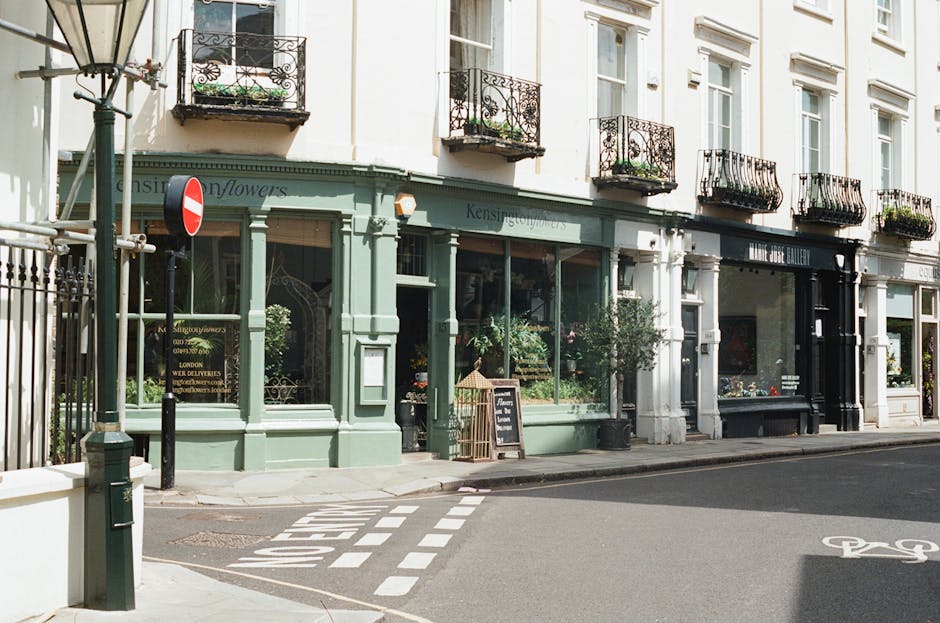
Listed Building Cleaning Limits in South Kensington and Fines: What You Can Do, What You Should Avoid, and How to Stay Safe
Cleaning a listed property in South Kensington sounds straightforward until the first awkward question lands: can this be cleaned, how, and who decides? With heritage homes, period facades, delicate stonework, sash windows, decorative ironwork, and sometimes shared entrances, the limits are often tighter than people expect. That is where the risk of listed building cleaning limits in South Kensington and fines comes in. A job that looks routine on the surface can turn into a compliance issue if the wrong method, chemical, or access equipment is used.
This guide breaks down the practical side of the issue in plain English. You will learn what the limits usually involve, why they matter, how fines can arise, which mistakes cause problems, and how to plan a safe clean without damaging the building or your budget. If you own, manage, let, or clean a listed property, this is the stuff worth getting right first time. Let's face it, no one wants to explain a stripped facade or stained stone to a building officer after the fact.
- Why listed building cleaning limits matter
- How the limits and fines issue works
- Key benefits of following the right approach
- Who this is for
- Step-by-step guidance
- Expert tips for better results
- Common mistakes to avoid
- Tools, resources and recommendations
- Law, compliance and best practice
- Methods and comparison table
- Real-world example
- Practical checklist
- Conclusion
- Frequently asked questions
Why Listed building cleaning limits in South Kensington and fines Matters
South Kensington has a high concentration of heritage architecture, and that changes the way cleaning must be approached. A listed building is not treated like an ordinary modern property. The external materials, original details, and even certain finishes may be protected because they contribute to the building's historic character. That means what looks like "simple cleaning" can actually count as work that alters or risks altering the fabric of the property.
The word limits matters here. Those limits may affect pressure washing, steam cleaning, abrasive pads, harsh alkaline chemicals, scaffolding use, access to roofs or upper stonework, and even where dirty water goes afterwards. In other words, the issue is not just whether something can be made clean. It is whether it can be cleaned without causing damage or breaching conditions attached to the building's status.
Fines usually enter the picture when someone carries out unauthorised work, ignores consent requirements, or causes damage that could have been prevented with proper planning. Sometimes the financial pain is not only the fine itself. You may also face repair costs, project delays, insurance headaches, and disputes with managing agents or neighbours. That can snowball quickly. Quite quickly, actually.
For residents, landlords, and businesses in South Kensington, this matters because many buildings sit close to roads, foot traffic, conservation expectations, and shared facades. A casual "we'll just jet wash it" approach can be a very expensive mistake. If you are planning a specialist clean for a property with heritage features, it is often wise to first review the company's health and safety approach and insurance and safety cover before any work starts.
How Listed building cleaning limits in South Kensington and fines Works
At a practical level, the process usually starts with a simple question: is the area you want cleaned part of the protected historic fabric? If the answer might be yes, you slow down and assess the work before starting. That sounds obvious, but in the real world people often skip the assessment because the surface just looks dirty. Then the wrong method goes straight onto a fragile finish.
Listed building controls are about avoiding harm to protected features. The legal and planning side can vary depending on the type of building, the nature of the work, and whether the proposed cleaning changes the appearance or material of the structure. There is no single one-size-fits-all answer, which is exactly why people get caught out. A stone facade, for example, may need a very different approach from a painted sash window or an internal communal stairwell.
Fines or enforcement action are usually linked to non-compliance, not to the mere fact that cleaning happened. The risk rises when someone carries out work that should have been checked, agreed, or documented first. In practice, that often looks like one of these scenarios:
- Using high-pressure equipment on delicate stone, brick, or decorative details
- Applying a chemical cleaner that leaves staining or etching
- Scrubbing too aggressively and removing historic surface material
- Cleaning external features without checking access and safety requirements
- Ignoring building management or conservation instructions
There is also a human side to this. A tenant may just want the front steps smartened up before visitors arrive. A building manager may need the communal hall cleaned after winter grit has been tracked in. A shop owner may want a pristine frontage before a weekend rush. Fair enough. But if the building is listed, the clean has to respect the building first and the convenience second.
For properties that need regular upkeep rather than one-off intervention, a sensible option is to build a maintenance routine around safer services such as regular cleaning or, where the condition is already poor and a deeper reset is needed, deep cleaning.
Key Benefits and Practical Advantages
Following the right limits is not just about avoiding trouble. It also makes the result better. Heritage surfaces tend to respond well to restraint, patience, and the right tools. Push too hard and you can end up with a brighter-looking surface that is actually damaged. That is the dirty little irony of it.
The main practical advantages are clear:
- Lower risk of fines or enforcement: If you understand the boundaries before work starts, you are less likely to cross them.
- Less risk of damage: Gentle, suitable methods protect stone, brick, render, timber, and ironwork.
- Better long-term appearance: Careful cleaning preserves the building rather than stripping it.
- Fewer disputes: Clear planning helps when landlords, agents, neighbours, or freeholders are involved.
- Improved insurance position: A documented approach can help if something goes wrong and a claim is needed.
There is also a scheduling advantage. If you plan properly, you usually avoid repeat visits, emergency call-outs, and stop-start work. That matters in South Kensington, where access, traffic, parking, and shared entrances can all make a simple job take longer than expected. Nobody enjoys paying for avoidable delays, especially when a scaffold or cherry picker is already eating up the day.
For internal areas, the best outcomes often come from pairing the right specialist service with the right building context. For example, a heritage flat may need a careful house cleaning visit for lived-in rooms, while a landlord preparing a vacant period property might prefer move out cleaning or end of tenancy cleaning to leave the space in tidy order without aggressive treatment.
Who This Is For and When It Makes Sense
This topic matters to more people than you might think. It is not only for conservation specialists or architects. In everyday terms, the people most likely to need this guidance include:
- Homeowners in listed terraces, mansion blocks, or converted townhouses
- Landlords and letting agents handling heritage rentals
- Building managers responsible for shared entrances, corridors, and staircases
- Facilities teams in offices or commercial premises with protected external features
- Cleaning professionals working on period properties
- Anyone arranging a pre-sale, post-works, or seasonal exterior clean
It also makes sense when you are about to do something that seems minor but could affect a protected feature. For example, maybe the stone around a doorway has soot marks, or the upper windows have city grime after months of traffic dust. Maybe the communal hallway smells a bit damp and needs a refresh, but the original plasterwork and bannister are still intact. These are exactly the sorts of situations where a rushed approach causes avoidable problems.
If the property is occupied, you will often need a mix of routine and one-off support. That might mean combining one off cleaning for a specific job with lighter-touch ongoing care through regular cleaning. For more public-facing settings, such as small offices or mixed-use buildings, commercial cleaning may be the more relevant route.
Step-by-Step Guidance
If you want to avoid problems, follow a slow, methodical process. No heroics. No guesswork.
- Identify what is listed and what is not. Check whether the specific wall, window, entrance, paving, or decorative element is protected. The listing may cover more than you expect.
- Walk the area and note the materials. Stone, paint, timber, render, metal, and glass all react differently to cleaning methods.
- Decide whether the clean is routine or intrusive. Dusting a lobby is not the same as stripping algae from a facade. The method matters.
- Choose the least aggressive effective method. Gentle agitation, appropriate detergent, microfibre, low-pressure application, or specialist hand-cleaning is often safer than force.
- Test a small area first. This is basic but often skipped. A discreet test patch can save a lot of damage.
- Record what you plan to use. Make a note of equipment, chemicals, access arrangements, and any risks.
- Get approval where needed. If the work could affect protected fabric, do not assume silence means permission.
- Protect nearby surfaces and runoff points. Old buildings often have hidden vulnerabilities. Water can travel where you did not expect.
- Carry out the work gradually. Slow and careful is usually better than fast and flashy.
- Inspect the result afterwards. Look for staining, residue, loosened pointing, abrasion, or water ingress.
A practical example: if a listed property has a soot-darkened entrance, it may be tempting to scrub until it shines. But the right move may be to clean lightly, preserve patina where appropriate, and avoid making the stone look artificially new. That subtle judgement is often what separates acceptable work from a problem job.
Expert Tips for Better Results
The best cleaning results on listed buildings are usually about control, not intensity. The aim is to improve appearance while preserving the material underneath. That can feel a bit counterintuitive, especially if you are used to standard domestic cleaning where more scrubbing often feels like progress.
Here are a few grounded tips that help in practice:
- Use the gentlest method that still works. If a soft method lifts the dirt, do not escalate just because the first pass looks slow.
- Avoid shiny "like new" expectations. Heritage surfaces are not always meant to look brand new.
- Work around weather and moisture. On a damp morning, a stone facade can behave differently than it does in dry conditions.
- Protect original fixtures. Old handles, frames, grilles, and trims can be surprisingly fragile.
- Keep cleaning products simple. Fewer variables make it easier to control the result.
- Document anything unusual. If a stain is not lifting or a surface is flaking, stop and reassess.
A small but useful habit is to brief everyone involved before the clean begins. One person using the wrong attachment on a delicate area can undo the whole plan in a minute. It happens. More often than people admit.
For external glass and frames, many property owners find that lighter services such as window cleaning are a safer fit than heavy intervention. For softer interior finishes, upholstery cleaning or carpet cleaning can refresh the space without touching the heritage fabric itself.
Common Mistakes to Avoid
Most problems in this area come from a handful of repeat mistakes. Once you know them, they are easy enough to avoid. That said, people still make them because the job seems small. Small jobs have a way of becoming expensive ones, don't they?
- Assuming a listed building can be cleaned like a new build. It often cannot.
- Using high pressure by default. This is one of the biggest causes of damage.
- Choosing chemicals for speed instead of suitability. Fast results can come with hidden cost.
- Skipping a test patch. One test patch is better than one permanent mark.
- Ignoring runoff, overspray, or residue. Dirty water can leave streaks, stains, or contamination.
- Cleaning without checking who owns or manages the affected area. Shared areas are where disputes often start.
- Leaving evidence of damage undocumented. If there is a problem, record it immediately.
In South Kensington, another common issue is access. Many buildings have narrow entrances, delicate internal finishes, or restrictions around loading and parking. If a cleaner or contractor turns up with the wrong kit and no plan, the work can become awkward fast. A more prepared approach, backed by proper policies and realistic scheduling, is always the safer bet.
Tools, Resources and Recommendations
You do not need a warehouse of specialist equipment to clean a listed building properly. In many cases, a simpler toolkit is better because it reduces the chance of overdoing anything. The key is matching the tool to the surface.
| Method | Best for | Main risk | Typical suitability |
|---|---|---|---|
| Soft hand cleaning | Delicate stone, decorative details, light surface dirt | Slow progress if the dirt is heavy | Often safest for heritage fabric |
| Low-pressure washing | Some exterior surfaces where moisture is controlled | Can still damage weak mortar or paint | Only with careful assessment |
| Steam cleaning | Selected surfaces and stubborn grime | Heat or moisture may affect sensitive materials | Good in the right hands, not universal |
| Chemical cleaning | Specific staining or mineral deposits | Etching, discolouration, residue | Use cautiously and test first |
| Abrasive methods | Rarely recommended for heritage surfaces | Surface loss, permanent wear | Usually avoid unless specialist-led |
Useful support documents and checks often include the building's listing details, management instructions, risk assessment notes, cleaning method statements, and insurance documents. If you are hiring help, it is sensible to confirm whether the provider offers clear terms and pricing on their pricing and quotes page, alongside practical safeguards in their terms and conditions.
For homes that need a broader reset after renovation dust or renovation residue, the safer route may be a structured after builders cleaning appointment rather than ad hoc scrubbing. If the property is about to change hands or be occupied, move in cleaning can help bring it to a comfortable standard without putting the historic fabric under pressure.
Law, Compliance, Standards, or Best Practice
This is the part people often want a simple yes-or-no answer for, but the reality is a bit messier. Listed building cleaning can sit inside planning control, conservation expectations, building management rules, health and safety duties, and insurance conditions all at once. That is why the safest approach is to treat the work as a compliance-led job, not merely a cleaning job.
In UK practice, the exact requirements depend on the nature of the work, the building's listing status, and whether the cleaning changes or risks changing the historic fabric. Where work is potentially intrusive, permission or formal approval may be needed. If there is any uncertainty, seek proper advice before starting. Do not make assumptions based on how another property down the road was handled. Different building, different status, different risk.
Good practice normally means:
- Carrying out a proper site assessment
- Using the least aggressive method that achieves the outcome
- Checking whether the clean could affect protected materials
- Keeping a record of decisions and approvals
- Making sure the contractor is suitably insured and experienced
- Working in line with health and safety duties and safe access requirements
It also means understanding the wider building environment. Shared hallways, communal entrances, and managed blocks bring extra considerations. If you are responsible for common areas, a service such as communal area cleaning can be useful, but the scope should still be reviewed against the building's heritage constraints. For offices in older buildings, office cleaning may need the same level of care around original features, even if the internal layout feels modern.
One more thing: compliance is not only about avoiding punishment. It protects the asset itself. A listed building is often worth far more, emotionally and financially, when its original character remains intact. That is the whole point, really.
Options, Methods, or Comparison Table
If you are deciding how to proceed, it helps to compare the common routes side by side. There is no perfect method for every listed property, but there are clear trade-offs.
| Approach | Pros | Cons | Best use case |
|---|---|---|---|
| DIY cleaning | Cheaper upfront, quick to arrange | Higher risk of mistakes, limited expertise, possible compliance issues | Only for very minor, low-risk internal cleaning tasks |
| General cleaning service | Practical for routine maintenance | May not understand heritage limits | Regular internal upkeep where protected fabric is not affected |
| Specialist heritage-aware cleaning | Better method choice, lower damage risk, stronger documentation | May cost more and take longer | Listed facades, historic interiors, delicate finishes |
| Deep clean after assessment | Useful for heavy buildup or neglected areas | Still needs careful method selection | Problem areas where surface grime has built up over time |
For many South Kensington properties, the middle path is often best: a careful, experienced team with the patience to slow down where needed. If the issue is more about fabric and furniture inside the property than the listed shell itself, services like sofa cleaning, rug cleaning, or mattress cleaning may be a better fit than trying to over-clean the historic structure.
Case Study or Real-World Example
Picture a period townhouse in South Kensington with a listed front elevation, a stone doorstep, painted timber windows, and a shared entrance hall. The owners want the frontage tidied before a family event. Nothing dramatic. Just cleaner stone, less dust on the windows, and a brighter feel at the doorway.
At first glance, someone suggests a pressure washer because it is quick and the stone looks dull. But after a closer look, the surface has soft wear, the mortar is already a little tired, and the paint on the windows is delicate. A more careful plan is used instead: gentle hand cleaning on the stone, a controlled clean of the windows, and internal refresh work inside the hall rather than soaking the entrance area.
The result is not a dramatic before-and-after transformation with sharp white stone. It is subtler than that. The property looks respected. The historic character is still there. No flaking paint, no water pushed into joints, no awkward phone call later about damage. That is the sort of outcome you want.
In a similar scenario, if the property had recently hosted contractors, a service such as one off cleaning might be enough for the interiors, while the external listed features are left to a specialist approach. Sometimes the smart answer is to clean less, not more.
Practical Checklist
Use this checklist before any listed building cleaning job in South Kensington. It keeps decisions clear and avoids the classic last-minute scramble.
- Confirm which parts of the property are listed or protected
- Identify the exact surfaces to be cleaned
- Note the material type for each surface
- Check whether the method could alter appearance or fabric
- Choose the least aggressive workable technique
- Test a small hidden area first
- Review access, weather, and runoff risks
- Make sure insurance and responsibility are clear
- Document approvals, instructions, and before/after notes
- Inspect the result carefully once the work is done
If you are booking help for a home rather than a facade, a practical way to stay within limits is to separate the heritage shell from the everyday living spaces. That may mean using domestic cleaning for routine indoor upkeep and reserving specialised methods only for the appropriate areas. The balance matters.
Quick expert summary: If a listed surface is delicate, uncertain, or visually important, slow down. Use a smaller test area. Keep the method gentle. Get written clarity where needed. And if a contractor sounds too confident too quickly, that is usually your cue to ask one more question.
Get a free quote today and see how much you can save.
Conclusion
Listed building cleaning in South Kensington is really about judgement. Good judgement, careful method selection, and respect for the building's character. The limits exist for a reason: heritage surfaces are not replaceable in the same easy way as a modern wall or window frame. Once damaged, they are much harder to put right.
If you keep the work proportionate, document what you are doing, and avoid aggressive shortcuts, you reduce the risk of fines and protect the property for the long term. That is good sense, not just compliance. And truth be told, that kind of care is what keeps South Kensington's older buildings looking special rather than merely old.
If you are planning a clean and you are not quite sure where the line is, pause before you start. A little caution now is a lot cheaper than a problem later. That's the simple version, but it's the one people remember.
Frequently Asked Questions
What are listed building cleaning limits in South Kensington?
They are the practical and legal boundaries around how a listed property can be cleaned without damaging protected materials or altering historic character. The exact limit depends on the surface, method, and the building's status.
Can you pressure wash a listed building?
Sometimes, but not by default. Pressure washing can damage stone, brick, pointing, timber, or paint. In many cases, a gentler method is safer and more appropriate.
What causes fines for cleaning a listed building?
Fines or enforcement problems usually arise when work is carried out without the right approval, when protected fabric is damaged, or when someone ignores the building's conservation requirements.
Do I need permission to clean a listed building?
Not every cleaning task needs formal approval, but if the work is likely to affect the building's historic fabric or appearance, you should check before starting. When in doubt, pause and seek clarity.
Is regular cleaning safer than deep cleaning for listed properties?
Often yes, because routine maintenance can prevent heavy buildup and reduce the need for stronger intervention. Still, the method has to suit the surface. Regular work done badly can still cause damage.
Can chemicals damage listed building surfaces?
Yes. Some cleaners can stain, etch, dull, or weaken materials. That is why test patches and surface-specific product choices matter so much.
What should I do before cleaning a listed facade?
Check the listing status, identify the materials, assess the risks, test a small area, and make sure the method is suitable. It is also wise to keep written notes of the plan.
Are communal areas in listed buildings subject to the same limits?
They can be. Shared stairwells, halls, and entrances may include original features that need careful treatment. Even if the space is used daily, it does not lose its heritage sensitivity.
How do I choose a cleaner for a listed property?
Look for a provider that understands delicate surfaces, has appropriate insurance, and can explain their method clearly. Transparency matters here more than flashy promises.
What is the safest way to clean old stone in South Kensington?
Usually the safest way is the least aggressive one that still works: test first, use controlled methods, avoid harsh abrasion, and protect the stone's surface rather than chasing a perfect bright finish.
Does listed building cleaning always cost more?
Not always, but it can. More care, more planning, and slower methods often take more time. That said, avoiding damage is usually cheaper than fixing it later.
When should I book specialist help instead of doing it myself?
If the surface is historic, fragile, high-level, heavily soiled, or unclear in status, specialist help is the safer choice. A minor-looking job can still be the one that causes the biggest headache.
And if you are weighing up the next step, start with the least risky option and work from there. A careful clean protects the building, the budget, and a little bit of your peace of mind too.