Office Cleaning in Modern Workspaces: Creating Healthier, Productive, and Impressive Offices
Why Office Cleaning Matters More Than Ever

Office cleaning is no longer just about making a workplace look neat. It plays a direct role in employee well-being, client perception, indoor air quality, and even day-to-day productivity. In today’s business environment, a clean office reflects professionalism and shows that a company values its people and its space. Whether it is a small startup, a busy corporate floor, or a shared coworking hub, office cleaning helps maintain a healthier and more efficient environment.
A well-maintained workplace can reduce the spread of germs, minimize dust buildup, and support a more comfortable atmosphere. When employees walk into a spotless office, they are more likely to feel motivated and focused. Likewise, visitors and clients often judge a business by the appearance of its reception area, meeting rooms, and restrooms. Because of this, office cleaning should be treated as an essential operational priority rather than an optional extra.
Another reason office cleaning matters is consistency. A workspace may look clean at first glance, but hidden areas such as vents, keyboards, shared kitchens, and restroom touchpoints can quickly become problem spots. Professional office cleaning addresses these details with regular routines and the right cleaning methods. That consistency helps businesses maintain a polished image while also creating a more sanitary and pleasant environment for everyone.
The Business Benefits of Office Cleaning
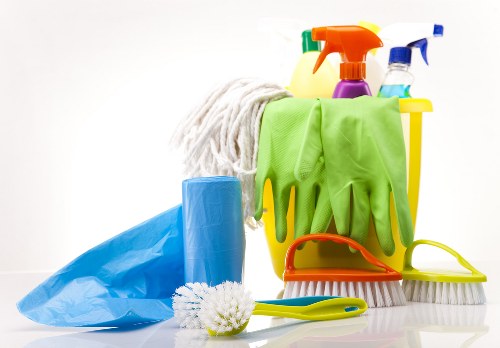
One of the biggest benefits of office cleaning is improved productivity. Employees tend to work better in an organized, clutter-free space. A clean desk, sanitized common area, and fresh-smelling office reduce distractions and allow people to focus on their tasks. Even small improvements in the environment can contribute to a better work experience across the entire team.
Office cleaning also supports health and safety. Shared workspaces contain high-touch surfaces that can spread bacteria and viruses if not cleaned regularly. Door handles, elevator buttons, breakroom counters, and shared equipment all require attention. A structured cleaning plan helps reduce absenteeism caused by sickness and promotes a safer work environment, especially during cold and flu season.
From a financial perspective, office cleaning can help protect workplace assets. Dust and dirt can accumulate in carpets, electronics, and ventilation systems, leading to wear and tear over time. Regular cleaning may extend the life of furniture, flooring, and office equipment. In other words, good office cleaning is not just about appearance—it is also about preserving the value of your workplace investments.
How cleanliness affects client trust
Clients, partners, and potential hires often notice the cleanliness of an office within seconds. A tidy lobby, clean restroom, and organized meeting room signal attention to detail and reliability. If a business wants to appear credible and professional, office cleaning becomes part of the brand experience. It helps reinforce trust before a single conversation begins.
Core Areas That Need Office Cleaning Attention

Effective office cleaning goes far beyond vacuuming floors and emptying trash bins. Different parts of the office require different cleaning routines based on traffic, usage, and contamination risk. Understanding these priority zones makes it easier to maintain a truly clean workplace.
- Reception and lobby areas: These spaces create the first impression and should always look polished.
- Workstations and desks: Dust, crumbs, and fingerprints can build up quickly.
- Meeting rooms: Tables, chairs, screens, and shared presentation tools need regular sanitation.
- Restrooms: These demand frequent deep cleaning and disinfection.
- Breakrooms and kitchens: Food residue, spills, and sink areas need special care.
- Floors and carpets: High-traffic surfaces collect dirt and stains fast.
- Touchpoints: Door knobs, light switches, elevator controls, and shared devices should be disinfected often.
Office cleaning should also include hidden or often-forgotten areas. Baseboards, window ledges, blinds, under-desk spaces, and air vents all contribute to overall cleanliness. If these spots are ignored, dust can circulate and settle throughout the office again. A detailed cleaning approach creates a better result than surface-level tidying alone.
For businesses that want a consistently fresh environment, it is wise to build a routine that addresses both visible and invisible cleanliness concerns. This ensures that office cleaning stays effective over time rather than becoming a temporary fix.
Types of Office Cleaning Services
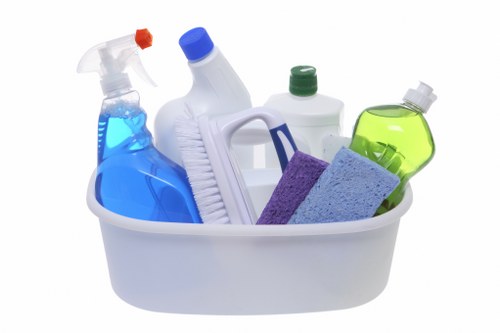
There are several types of office cleaning services available, and the right mix depends on the size of the workplace, the number of employees, and the level of foot traffic. Some offices need daily cleaning, while others may only require weekly or periodic maintenance. Knowing the available options helps businesses choose the best plan for their needs.
Daily office cleaning
Daily office cleaning is ideal for busy workplaces with constant use. This service usually includes trash removal, restroom sanitation, desk dusting, vacuuming, floor cleaning, and surface disinfection. It keeps the office presentable every day and is especially important in reception areas, large teams, or client-facing spaces.
Weekly office cleaning
Smaller offices or low-traffic spaces may benefit from weekly office cleaning. This schedule can cover general maintenance tasks like mopping, wiping surfaces, bathroom cleaning, and kitchen care. Weekly cleaning is often enough to maintain a clean environment when the office is not in use all day.
Deep office cleaning
Deep office cleaning targets areas that are not covered in routine maintenance. It may include carpet shampooing, machine dust removal, window washing, detailed restroom cleaning, and sanitizing hard-to-reach areas. Many businesses schedule deep cleaning monthly, quarterly, or seasonally to keep standards high.
Specialized cleaning tasks
Some offices need additional services depending on the environment. These can include:
- Post-construction cleaning after renovations or build-outs.
- Electronics-safe dusting for computers, monitors, and devices.
- Green cleaning using eco-friendly products.
- Floor polishing and carpet care for high-end office interiors.
- Disinfection services during flu outbreaks or after heavy traffic periods.
The best office cleaning plan is one that fits the actual use of the office, not just a generic checklist.
Choosing the Right Office Cleaning Approach
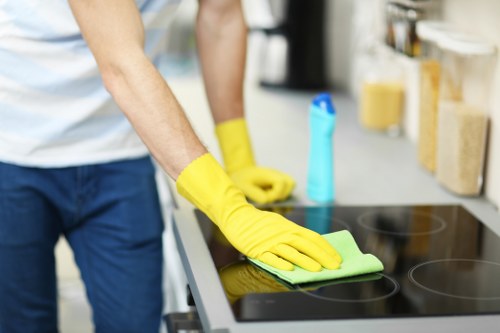
Selecting the right office cleaning strategy starts with understanding the workplace layout and how employees use the space. A law firm, medical office, tech startup, and call center may all need different cleaning priorities. The best approach is one that balances frequency, detail, budget, and employee comfort.
Businesses should consider whether they need daytime or after-hours office cleaning. Daytime cleaning can be useful for restocking supplies and keeping high-use areas tidy, while evening cleaning allows cleaners to work without interrupting employees. Both options have advantages, and some offices use a hybrid schedule to stay consistently clean.
It is also important to match cleaning methods to the materials in the office. Certain surfaces, such as natural stone, hardwood, or delicate electronics, require specific products and techniques. Using the wrong cleaner can damage finishes or leave residue behind. That is why a smart office cleaning plan should include surface-specific care and clear routines.
Questions to ask before setting a cleaning plan
- How many employees use the space each day?
- Which areas receive the most traffic?
- Are there shared kitchens, restrooms, or conference rooms?
- Do we need daily, weekly, or seasonal office cleaning?
- Are there allergies or sensitivities to cleaning chemicals?
- Do we want eco-friendly or low-odor products?
Answering these questions helps tailor office cleaning so that it is practical, effective, and aligned with workplace needs.
What a Professional Office Cleaning Routine Should Include
A professional office cleaning routine is built on repeatable tasks that keep every part of the workspace in order. While exact services may vary, most strong cleaning routines include a combination of sanitation, dust removal, waste management, and floor care. The goal is to create a work environment that looks good and functions well every day.
A typical office cleaning checklist may include wiping desks, sanitizing shared surfaces, emptying bins, cleaning restrooms, restocking soap and paper products, vacuuming carpets, mopping floors, and wiping down kitchen appliances. These tasks should be done with consistency and attention to detail. A missed area today can become a bigger issue tomorrow.
High-touch surfaces deserve special attention because they are handled often and can spread germs easily. This includes light switches, handles, railings, printers, copier buttons, and communal tables. Regular disinfection of these areas is one of the most valuable parts of office cleaning. It supports hygiene without disrupting the flow of work.
Creating a balanced cleaning schedule
An effective schedule usually combines daily tasks, weekly maintenance, and periodic deep cleaning. For example, daily tasks may focus on restrooms and trash collection, while weekly tasks address floors and dust buildup. Monthly or quarterly sessions can target carpets, vents, and windows. A balanced schedule keeps office cleaning manageable and prevents neglect in hard-to-reach areas.
Eco-Friendly Office Cleaning and Modern Workplace Expectations
More businesses are now choosing eco-friendly office cleaning practices because they support sustainability and improve indoor comfort. Green cleaning products can reduce exposure to harsh chemicals, which is especially important in enclosed office spaces. Employees who are sensitive to strong odors or cleaning agents may appreciate a cleaner environment that feels fresher and healthier.
Eco-friendly office cleaning often includes microfiber cloths, low-toxicity cleaners, water-saving methods, and responsible waste practices. These approaches can help reduce environmental impact while maintaining high cleaning standards. Businesses that value sustainability may also find that green cleaning aligns with their broader brand identity and employee values.
Another advantage is that eco-friendly office cleaning can contribute to better indoor air quality. Offices with limited ventilation can trap chemicals and dust, making the workplace feel stuffy or uncomfortable. Choosing products and methods designed for healthier indoor spaces can make a noticeable difference in overall comfort.
Benefits of green cleaning in offices
- Reduced chemical exposure for staff and visitors
- Better support for sensitive employees
- Less environmental impact
- Improved indoor air quality
- Alignment with sustainability goals
Office Cleaning Challenges and How to Handle Them
Every office has its own cleaning challenges. Some struggle with heavy foot traffic, while others deal with cluttered desks, shared kitchens, or frequent client visits. Office cleaning becomes more effective when these challenges are recognized early and addressed with realistic solutions.
One common issue is inconsistent tidiness among employees. Even with a scheduled cleaning service, desks can become messy, coffee spills can be left behind, and shared areas may be used carelessly. The solution is a mix of regular office cleaning and clear workplace standards. When everyone understands their role in maintaining the space, results improve significantly.
Another challenge is keeping cleaning from disrupting work. Loud equipment, strong odors, or cleaning during peak meeting hours can create unnecessary friction. That is why office cleaning should be scheduled strategically. Quiet tools, low-odor products, and careful timing help preserve productivity while maintaining cleanliness.
Tips for reducing cleaning problems
- Set simple cleanliness rules for shared spaces.
- Encourage employees to clear personal clutter regularly.
- Use labeled bins for waste and recycling.
- Choose cleaning times that avoid peak office activity.
- Review the cleaning plan every few months.
When office cleaning is backed by good workplace habits, the results are far better and easier to maintain.
Office Cleaning and Employee Well-Being
A clean workplace can support more than just physical health. It can also influence morale, focus, and overall job satisfaction. Employees who work in a clean office often report feeling more respected and comfortable. That emotional benefit should not be overlooked, especially in environments where people spend most of their day indoors.
Office cleaning can reduce stress by eliminating visual clutter and creating a sense of order. A messy environment can make tasks feel more overwhelming than they are, while a clean and organized setting supports clearer thinking. This effect is especially important in open-plan offices, where visual distractions are common.
Clean restrooms, fresh breakrooms, and tidy meeting spaces also contribute to a more positive workplace culture. When employees feel that their environment is cared for, it can reinforce a sense of professionalism and mutual respect. Office cleaning therefore becomes part of employee experience, not just facility upkeep.
Businesses that invest in cleanliness often discover that it supports retention and workplace satisfaction in subtle but meaningful ways.
Making Office Cleaning a Long-Term Priority
Office cleaning works best when it is treated as an ongoing strategy rather than a one-time task. Workplaces change over time, especially when teams grow, office layouts shift, or new health concerns arise. A flexible cleaning plan allows the office to adapt while maintaining consistent standards.
Managers should review cleaning needs regularly and update routines when necessary. If certain areas become busier, they may need more frequent attention. If employees are using shared rooms more often, those spaces should be cleaned with greater care. The most effective office cleaning plans are responsive, practical, and easy to maintain.
Communication also matters. Employees should understand what the cleaning routine covers and how they can help keep the office in good shape. When the team supports the effort, office cleaning becomes more efficient and more sustainable over the long term. A cleaner workplace is easier to manage when everyone contributes to the standard.
Signs your office cleaning plan needs an update
- More visible dust or stains than usual
- Frequent complaints about restrooms or kitchens
- Odors that return quickly after cleaning
- More employees or visitors than before
- Changing office layouts or shared spaces
Final Thoughts on Office Cleaning
Office cleaning is a practical investment that influences appearance, health, productivity, and workplace culture. It supports first impressions, protects assets, and helps employees feel more comfortable in their environment. When done well, it becomes one of the most valuable behind-the-scenes elements of a successful workplace.
Whether a business needs daily maintenance, deep cleaning, or a tailored cleaning schedule, the goal remains the same: create a workspace that looks professional and feels good to use. Strong office cleaning routines are built on consistency, attention to detail, and the right methods for each part of the office.
If your workplace is ready for a cleaner, healthier, and more organized environment, contact us today and book your service now. A smarter office cleaning plan can make a noticeable difference in how your team works and how your business is perceived.