Communal Area Cleaning: Creating Healthier, Safer, and More Welcoming Shared Spaces
Why Communal Area Cleaning Matters 
Communal area cleaning is one of the most important services for any shared property, from apartment blocks and office buildings to housing complexes, schools, and mixed-use developments. These are the spaces that everyone uses, which means they are also the spaces where dirt, clutter, bacteria, and wear build up fastest. Hallways, lobbies, stairwells, elevators, entryways, and shared kitchens all need consistent attention to stay clean, safe, and presentable.
When communal area cleaning is done properly, it does more than improve appearances. It supports hygiene, reduces unpleasant odors, minimizes the spread of germs, and helps residents, employees, and visitors feel more comfortable. A well-maintained communal environment also reflects positively on the property itself, which is especially important for landlords, property managers, and facility teams who want to protect long-term value.
Clean shared spaces send a clear message: the property is cared for, the people who use it matter, and the environment is managed responsibly. That is why communal area cleaning is not just a routine task. It is a key part of property upkeep, safety, and occupant satisfaction.
What Communal Area Cleaning Includes 
Communal area cleaning covers a broad range of spaces and tasks depending on the type of building and the level of foot traffic. In general, it includes the regular cleaning and maintenance of shared zones that multiple people use each day. These areas often experience heavier dirt accumulation than private spaces because of constant movement, outdoor debris, and frequent contact with surfaces.
Common tasks in communal area cleaning may include vacuuming and mopping floors, wiping down handrails, sanitizing door handles, cleaning glass panels, sweeping entrances, emptying bins, removing cobwebs, and polishing visible surfaces. In larger buildings, communal area cleaning may also extend to lifts, mail areas, shared bathrooms, laundry rooms, and outdoor walkways.
The exact service plan will usually depend on the property’s size, occupancy, and usage patterns. High-traffic areas often require daily or multiple weekly visits, while quieter buildings may need a different schedule. The goal is always the same: to maintain a clean, hygienic, and welcoming shared environment.
Typical areas covered in communal area cleaning
To maintain consistent standards, professional cleaning teams usually focus on the areas that receive the most contact and visibility. This often includes:
- Lobby and reception areas
- Hallways and corridors
- Stairwells and landings
- Elevators and lift buttons
- Entrance doors and foyers
- Shared kitchens and break areas
- Communal bathrooms
- Parcel and mail rooms
- Outdoor entry steps and paths
Because every property is different, communal area cleaning services should be flexible enough to meet the building’s exact needs. Some properties need deep cleaning for carpets and upholstery, while others require more frequent sanitizing of high-touch surfaces. A tailored approach ensures better results and better value.
Consistency is crucial in communal area cleaning. Even a beautifully designed building can feel neglected if shared spaces are dirty or poorly maintained. Cleanliness has a direct impact on how people experience the property every day.
The Benefits of Professional Communal Area Cleaning 
There are many reasons why property owners and managers invest in professional communal area cleaning. One of the biggest benefits is improved hygiene. Shared spaces are used by many people, which means germs can spread quickly on surfaces like railings, buttons, door handles, switches, and counters. Regular cleaning helps reduce this risk and supports a healthier indoor environment.
Another major benefit is better presentation. First impressions matter, whether the property is residential, commercial, or mixed-use. A spotless lobby, polished hallway, and tidy stairwell create a sense of care and professionalism. This can improve tenant satisfaction, visitor impressions, and even property retention.
Professional communal area cleaning also helps protect assets. Dirt and grime can damage flooring, carpets, paintwork, glass, and fixtures over time. When cleaning is regular and thorough, surfaces last longer and maintenance costs can be reduced. In other words, cleaning is not only about appearance; it is also about preservation.
Additional advantages include:
- Lower odor buildup in enclosed spaces
- Reduced slip and trip risks from debris or spills
- Better compliance with property hygiene expectations
- More comfortable living and working conditions
- Higher overall satisfaction among occupants
Why Shared Spaces Need More Attention Than Private Areas 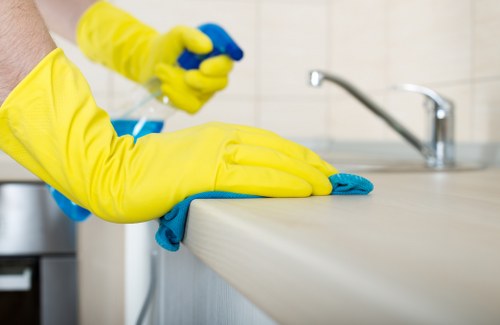
Shared spaces experience a unique level of wear because they are used by people with different schedules, habits, and levels of cleanliness. Unlike private homes or offices, communal spaces cannot rely on one person to maintain them. That makes structured communal area cleaning essential. Without it, dust builds up, trash overflows, floors become dull, and high-touch areas can become unhygienic very quickly.
Another challenge is variety. A communal space may be used by residents carrying groceries, staff moving equipment, children coming and going, or visitors entering for the first time. This constant activity means that cleaning needs to be more strategic. High-traffic environments demand a more proactive cleaning approach than spaces that are used only occasionally.
Shared spaces are also more visible. Even minor messes in a hallway or lobby can make an entire property feel untidy. That is why communal area cleaning should be treated as an ongoing service rather than an occasional fix. A structured schedule ensures that the property remains orderly and pleasant throughout the week.
Common problems caused by poor communal area cleaning
When shared areas are not maintained properly, the effects show up quickly. Common issues include:
- Accumulated dust and allergens in corners and vents
- Sticky floors and stained surfaces
- Unpleasant smells from bins or food waste
- Smudged glass and visible fingerprints
- Dirty stair rails and lift controls
- Increased complaints from residents or tenants
These issues may seem small at first, but over time they affect the reputation, comfort, and safety of the property. Regular communal area cleaning prevents these problems before they become expensive or difficult to correct.
How a Communal Area Cleaning Schedule Should Be Structured 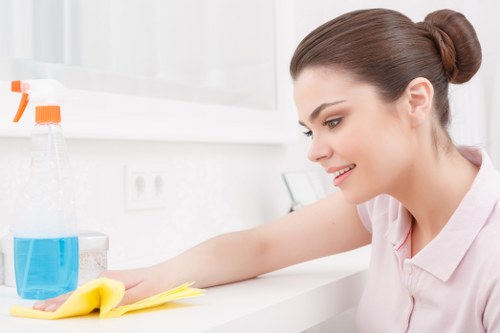
A strong communal area cleaning schedule is built around the property’s usage patterns. For busy apartment blocks or office buildings, daily cleaning may be needed for entrances, lobbies, and high-touch points. Less busy buildings may only need several visits per week, but even then, consistency is vital. The schedule should be based on real conditions rather than a one-size-fits-all template.
The best cleaning schedules often divide tasks into daily, weekly, and periodic duties. Daily tasks might include sweeping entrances, wiping handles, emptying bins, and mopping visible dirt. Weekly tasks might involve deeper cleaning of floors, glass, and stairwells. Periodic tasks can include carpet care, high-level dusting, and detailed sanitation of less visible areas.
A smart schedule balances visibility with hygiene. That means prioritizing the areas people see and touch most often, while still maintaining the hidden spots where dust and grime accumulate. A reliable schedule helps create a cleaner experience all week long.
Example cleaning frequency plan
- Daily: entrance cleaning, bin emptying, high-touch surface disinfection, floor sweeping or vacuuming
- 2-3 times per week: mopping, glass wiping, stairwell cleaning, lift interior cleaning
- Weekly: deeper dusting, skirting board cleaning, spot treatment for walls and marks
- Monthly or seasonal: carpet shampooing, pressure washing, detailed maintenance cleaning
Of course, each property may need adjustments based on weather, occupancy, and the type of users. Buildings with pets, children, or frequent deliveries may require more frequent attention to keep communal areas consistently clean.
Key Tasks in Effective Communal Area Cleaning
Professional communal area cleaning is most effective when it covers both visible and hidden cleaning needs. The aim is to make shared spaces look clean at first glance while also ensuring they are hygienic beneath the surface. This means paying attention to details that people notice immediately, such as floors and glass, as well as items that are often overlooked, like corners, vents, and edges.
Floor care is one of the most important tasks. Whether the property has tile, vinyl, wood, stone, or carpet, floors collect dirt faster than almost any other surface. Sweeping, vacuuming, mopping, and spot treatment help preserve appearance and reduce slip risks. In rainy or snowy seasons, entrance mats and wet floors should also be monitored closely.
High-touch surface cleaning is equally important. Door handles, elevator buttons, handrails, switches, and intercoms are touched many times a day. Regular disinfection of these points helps support better hygiene in communal environments.
Other important tasks include:
- Dusting ledges, skirting boards, and wall fixtures
- Cleaning mirrors and glass partitions
- Removing litter and debris from entry points
- Restocking communal hygiene supplies where needed
- Checking for spills, leaks, or safety hazards
- Keeping bin areas clean and odor-free
Attention to detail makes the difference between a space that simply looks acceptable and one that truly feels maintained. That is why thorough communal area cleaning should always include both routine and detail-oriented work.
Communal Area Cleaning for Residential Properties
In residential buildings, communal area cleaning has a direct impact on everyday quality of life. Residents use hallways, staircases, elevators, and entryways constantly, so these spaces need regular care to remain pleasant. Clean communal areas help create a sense of pride in the building and can reduce tension among residents by keeping shared spaces more orderly.
For apartment blocks and housing estates, cleaning teams often focus on entrances, shared corridors, stairwells, lifts, bin rooms, and external pathways. These areas are especially prone to dirt from shoes, pets, deliveries, and outdoor weather conditions. Keeping them clean requires a dependable routine and attention to seasonal changes.
Residential communal area cleaning is also about trust. When residents see that shared spaces are handled properly, they are more likely to respect the building and report issues early. This improves cooperation and helps maintain the property in the long run.
Residential cleaning priorities
- Visible cleanliness in entry points and hallways
- Odor control in waste and refuse areas
- Regular sanitizing of shared touchpoints
- Safe floor conditions in wet or icy weather
- Fast response to spills, marks, and mess
Communal Area Cleaning for Commercial and Mixed-Use Buildings
Commercial buildings and mixed-use properties often require a more intensive level of communal area cleaning because foot traffic is higher and expectations are often more demanding. Visitors, staff, tenants, and service providers all pass through shared areas, which means those spaces must remain consistently clean and professional-looking.
In office buildings, communal area cleaning usually includes lobbies, reception areas, lift interiors, staircases, washrooms, kitchenettes, and meeting corridors. In mixed-use buildings, cleaning may also need to balance residential and business requirements, with different traffic peaks throughout the day. That makes flexibility and timing especially important.
Well-managed communal area cleaning in commercial environments can support brand image and workplace morale. A clean environment tells clients and employees that standards matter, while a neglected one can create the opposite impression.
Commercial properties often benefit from:
- Early morning or after-hours cleaning
- More frequent high-touch sanitizing
- Attention to reception and customer-facing areas
- Enhanced floor care for heavy foot traffic
- More detailed washroom and kitchenette maintenance
Seasonal Challenges in Communal Area Cleaning
Different seasons create different cleaning challenges, and effective communal area cleaning should adapt accordingly. In wet and cold months, dirt, water, and salt can be tracked indoors, especially in entrances and stairwells. During warmer periods, dust, pollen, and increased foot traffic can become the main issues. A seasonal cleaning strategy helps keep shared spaces presentable year-round.
Winter often requires extra focus on flooring, mats, and entrances. Wet floors can quickly become slippery, and grit can damage surfaces. Autumn brings leaves and outdoor debris, while spring may bring dust and allergens. Summer can increase odors and litter in bin areas and outdoor communal zones. Each season needs its own plan.
Adaptable communal area cleaning protects both safety and appearance. When cleaning teams respond to weather and usage changes, the property remains comfortable and easier to maintain. This flexibility also helps prevent damage caused by tracked-in debris and moisture.
Seasonal priorities
- Winter: moisture control, mat cleaning, salt removal, slip prevention
- Spring: dust removal, allergy reduction, window and glass cleaning
- Summer: odor control, bin hygiene, outdoor cleaning
- Autumn: leaf removal, entrance sweeping, drainage checks
Health, Safety, and Hygiene Considerations
Communal area cleaning plays a major role in health and safety. Shared surfaces can carry germs, and poorly maintained floors can create slip hazards. Dust and debris may also affect air quality, especially in enclosed corridors or stairwells. A professional approach helps reduce these risks and creates a healthier setting for everyone who uses the property.
Hygiene is particularly important in communal bathrooms, shared kitchens, and bin areas where contamination and odors can build up quickly. These areas require stronger cleaning routines, proper product use, and careful attention to sanitation. Keeping high-risk spaces clean supports better overall property hygiene.
Safety is another reason communal area cleaning should never be neglected. Clear walkways, clean landings, and dry floors reduce accidents. Good lighting can also be supported by clean fixtures and glass, which improves visibility in shared spaces.
Safety-focused cleaning practices include:
- Immediate spill response
- Warning signs during floor cleaning
- Removal of debris from walkways
- Regular inspection of high-use surfaces
- Proper waste disposal and bin management
Choosing the Right Communal Area Cleaning Service
Selecting the right cleaning provider is important because not every service is equally equipped for shared environments. The best communal area cleaning companies understand the pressures of high-traffic properties and can adapt their work to suit the building’s layout, occupancy, and expectations. They should be reliable, flexible, and consistent.
When comparing providers, it helps to look at their experience with similar properties, the quality of their cleaning methods, and whether they offer customized schedules. A good provider should also understand the importance of communication, site security, and after-hours access where needed. Cleaners must be able to work efficiently without disrupting residents, staff, or visitors.
Quality communal area cleaning is about more than appearance. It is about maintaining standards, protecting the property, and ensuring every person who enters feels welcome. That is why a tailored service is often better than a generic package.
What to look for in a provider
- Experience with residential or commercial shared spaces
- Flexible scheduling options
- Clear task lists and service expectations
- Attention to high-touch and high-traffic areas
- Reliable quality control and supervision
Best Practices for Maintaining Clean Communal Areas Between Visits
Even when professional communal area cleaning is scheduled regularly, ongoing maintenance between visits still matters. Property managers, residents, and staff can all play a role in keeping shared spaces tidy. Simple habits can make a big difference in reducing the buildup of dirt and clutter.
For example, encouraging people to wipe up small spills quickly, dispose of litter properly, and avoid blocking hallways can help keep communal areas in better shape. Entrance mats should be checked regularly, and bins should not be allowed to overflow. Minor issues are much easier to manage when dealt with early.
Small daily habits support stronger long-term results. When everyone contributes to the basic upkeep of shared spaces, the overall standard improves and professional cleaning teams can focus on deeper, more effective work.
Simple maintenance habits
- Keep entrances free of unnecessary clutter
- Report spills, damage, or blocked access quickly
- Use mats to reduce dirt tracked indoors
- Dispose of waste in designated bins
- Respect shared facilities and leave them tidy
The Long-Term Value of Regular Communal Area Cleaning
Regular communal area cleaning delivers value far beyond day-to-day tidiness. Over time, it supports better property condition, higher occupant satisfaction, and lower maintenance costs. A building that is cleaned consistently tends to experience less visible wear, fewer hygiene complaints, and a more positive overall atmosphere. That makes cleaning a practical investment rather than a simple expense.
For property managers and owners, this long-term value is especially important. Clean communal areas help preserve finishes, reduce repair needs, and support a stronger reputation. For residents and tenants, the benefit is simpler but just as important: the property feels more comfortable, safer, and easier to live or work in.
If you want your shared spaces to look their best every day, prioritize consistent communal area cleaning. The right routine, the right frequency, and the right attention to detail can transform how a property is experienced.
Whether the building is residential, commercial, or mixed-use, a dependable cleaning plan helps maintain standards and protect the environment for everyone who uses it. Contact us today to discuss a service plan that fits your property needs, or book your service now to keep your communal areas spotless, safe, and welcoming.