Upholstery Cleaning in Your Home: A Practical, SEO-Friendly Look at Cleaner Sofas, Chairs, and Fabrics
Why Upholstery Cleaning Matters for Every Home
Upholstery cleaning is one of those household tasks that often gets overlooked until a sofa starts to look dull, a chair begins to smell musty, or a favorite reading nook no longer feels fresh. Yet upholstery cleaning plays a major role in keeping your home healthier, more comfortable, and more visually appealing. Whether you live in a busy family household, a compact apartment, or a pet-friendly space, regular upholstery cleaning helps extend the life of your furniture while improving the overall atmosphere indoors.
Clean upholstery does more than improve appearance. It can help reduce dust, allergens, and odors that settle deep into fabric fibers over time. In many homes, upholstered furniture is used daily, which means it absorbs body oils, spills, pet hair, and airborne particles. With proper upholstery cleaning, these common contaminants are removed before they become a bigger problem. That is why so many homeowners search for upholstery cleaning near me when their furniture starts showing signs of wear.
For anyone who values a tidy, welcoming living space, upholstery cleaning is not just about aesthetics. It supports fabric care, hygiene, and long-term savings. Replacing furniture is expensive, but routine upholstery cleaning can keep sofas, sectionals, loveseats, recliners, and dining chairs looking better for longer. That makes it a smart investment for both comfort and budget.
Understanding What Upholstery Cleaning Actually Does
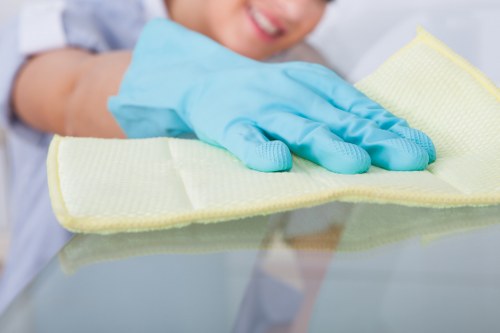
Many people assume upholstery cleaning simply means wiping furniture with a cloth or vacuuming the surface. In reality, professional upholstery cleaning and careful at-home maintenance go much deeper. Upholstery fabric can trap soil in its weave, and cushions often hold hidden dust and debris inside seams, tufts, and folds. A proper upholstery cleaning process targets both visible stains and the unseen buildup that affects fabric condition over time.
Depending on the fabric type, upholstery cleaning may involve dry methods, steam extraction, foam cleaning, or specialized low-moisture techniques. The right method depends on the textile, the construction of the furniture, and the type of contamination present. For example, delicate natural fibers may require a gentler treatment, while synthetic fabrics often respond well to deeper extraction methods. This is why fabric identification is an important part of upholstery cleaning.
In practical terms, upholstery cleaning helps lift embedded grime, refresh the look of the material, and neutralize lingering smells. It can also restore softness, improve texture, and make furniture more inviting to use. If your sofa has become a magnet for crumbs, pet dander, or everyday dust, upholstery cleaning can make a visible difference quickly and effectively.
Common Signs Your Furniture Needs Upholstery Cleaning

It is not always obvious when upholstery cleaning is due, but several signs can tell you it is time. Stains are the most noticeable clue, but other indicators often matter just as much. A once-bright fabric that now looks slightly gray or tired may be holding layers of soil. Likewise, lingering odors or a sticky feel on the surface can suggest that the upholstery is overdue for cleaning.
Another common sign is allergy irritation. If family members notice more sneezing, watery eyes, or discomfort when spending time on a sofa or upholstered chair, dust and allergens trapped in the fibers may be contributing. Regular upholstery cleaning can help reduce these triggers and support a fresher indoor environment. This is especially helpful in homes with pets, children, or high foot traffic.
Here are some of the most common signs that upholstery cleaning should be scheduled soon:
- Visible stains or spots on cushions and armrests
- Faded, dull, or dingy fabric appearance
- Persistent odors from food, pets, smoke, or moisture
- Allergy symptoms that worsen around furniture
- Noticeable dust, lint, or pet hair buildup
- Sticky or rough texture on the upholstery surface
Benefits of Regular Upholstery Cleaning

Upholstery cleaning offers more than one benefit, which is why it remains one of the most valuable maintenance routines for the home. First, it improves appearance. A clean sofa or chair instantly makes a room feel brighter, fresher, and more cared for. This visual impact matters whether you are hosting guests, staging a property, or simply enjoying your space every day.
Second, upholstery cleaning supports better indoor hygiene. Furniture acts like a filter, capturing dirt, allergens, and airborne particles that circulate through the home. Over time, that buildup can affect comfort and air quality. Routine upholstery cleaning helps remove these contaminants before they accumulate too deeply. For households with pets or small children, this is an especially meaningful advantage.
Third, upholstery cleaning helps preserve the material itself. Embedded grit can wear down fibers over time, causing the fabric to age prematurely. Spills that are left untreated can become permanent stains or lead to discoloration. By scheduling upholstery cleaning at the right intervals, homeowners can protect the look and structure of their furniture while avoiding expensive replacements.
Additional advantages worth noting
- Helps remove odors trapped in cushions and fabric
- Supports a more comfortable seating experience
- Can improve the overall appearance of an entire room
- Helps maintain value in quality furniture pieces
- May reduce the spread of allergens and dust mites
Types of Upholstery Fabrics and Why They Matter
Not all upholstery cleaning methods work the same way, because not all fabrics are identical. Understanding fabric types is one of the best ways to avoid damage and achieve better results. Cotton, linen, polyester, microfiber, velvet, leather, and blended materials each respond differently to moisture, heat, and cleaning agents. A successful upholstery cleaning plan always starts with the fabric label or fiber identification if available.
Natural fibers often need extra care. Cotton and linen can be beautiful, but they may be more sensitive to water spotting, shrinkage, or agitation. Synthetic fibers like polyester and microfiber tend to be more durable and often tolerate standard upholstery cleaning methods well. Leather requires its own treatment process, using cleaners and conditioners designed to protect the finish instead of saturating the surface.
Here is a simple breakdown of common materials and their care considerations:
- Cotton: Comfortable and breathable, but can stain easily and may need controlled cleaning.
- Linen: Elegant but delicate; low-moisture upholstery cleaning is often preferred.
- Polyester: Durable and stain-resistant, making it more forgiving during cleaning.
- Microfiber: Popular for homes with pets and kids; usually responds well to targeted cleaning.
- Velvet: Luxurious but sensitive; requires careful brushing and minimal saturation.
- Leather: Needs specialized cleaning and conditioning to protect the surface.
Professional Upholstery Cleaning vs. DIY Methods
Many homeowners wonder whether they should handle upholstery cleaning themselves or hire a professional. The answer depends on the fabric, the stain, the size of the furniture, and the level of buildup. DIY upholstery cleaning can be effective for light maintenance, spot treatment, and routine care. However, deeper stains, odors, and embedded debris often require professional-grade equipment and expertise.
DIY upholstery cleaning usually involves vacuuming, spot testing a cleaner, applying a fabric-safe solution, and blotting the area carefully. While this can work for small spills, it carries risks if the wrong product is used or if too much moisture is applied. Over-wetting upholstery can lead to water marks, shrinkage, mold growth, or lingering odor. That is why caution is so important when cleaning furniture at home.
Professional upholstery cleaning, on the other hand, offers deeper soil removal and more precise fabric care. Technicians typically inspect the material, identify stains, choose the right cleaning method, and use equipment designed to extract dirt without unnecessary damage. If your furniture is valuable, heavily used, or made from delicate fabric, professional upholstery cleaning is often the safer and more effective choice.
When DIY may be enough
- Light dust and surface debris
- Small, fresh spills
- Routine maintenance between professional visits
When professional help is a better option
- Old or stubborn stains
- Strong odors trapped in fabric
- Delicate or specialty upholstery
- Large sectionals or heavily used family furniture
How the Upholstery Cleaning Process Usually Works
Although every provider may have a slightly different method, most upholstery cleaning services follow a similar process. It usually starts with an inspection. This step helps identify the fabric type, trouble spots, and any areas that require special treatment. A technician may also perform a test on an inconspicuous section to check how the material reacts to the chosen cleaning solution.
After inspection, the furniture is often vacuumed thoroughly to remove loose dirt, crumbs, pet hair, and dust. This is a crucial step because debris on the surface can interfere with deeper upholstery cleaning. Once the furniture is prepped, targeted stain treatment may be applied to spots, oils, and heavily soiled areas. Depending on the fabric, the actual upholstery cleaning may use hot water extraction, low-moisture encapsulation, dry foam, or another appropriate technique.
Finally, the upholstery is allowed to dry properly. Drying time depends on the fabric, cleaning method, airflow, and humidity in the room. Good drying practices are essential because they help prevent odor and protect the integrity of the fabric. In some cases, fans or open windows can speed up the process, allowing the furniture to be used again sooner.
What to expect after cleaning
- Brighter and fresher-looking upholstery
- Reduced odors
- Less visible staining
- A softer, cleaner feel
- Improved comfort and appearance
Stain Removal and Odor Control in Upholstery Cleaning
One of the biggest reasons people seek upholstery cleaning is stain removal. From coffee and wine to pet accidents and makeup smudges, upholstery can pick up a wide range of marks in everyday use. The key to better stain removal is acting quickly and using the right method for the fabric. Blotting spills right away is always better than rubbing, which can push the stain deeper into the material.
Odor control is another major part of upholstery cleaning. Furniture can absorb smells from pets, smoke, food, humidity, and general household use. Those odors often settle into the padding beneath the fabric, which makes them harder to remove with simple surface cleaning. Deep upholstery cleaning helps neutralize odors at the source instead of masking them with fragrance. That is a major advantage for anyone trying to create a cleaner, more pleasant living space.
Here are some common stain and odor challenges handled during upholstery cleaning:
- Food and drink spills
- Pet hair and pet-related odors
- Sweat and body oil buildup
- Smoke residue
- Ink, makeup, or dye transfer
- General mustiness from moisture or age
How Often Should You Schedule Upholstery Cleaning?
The ideal upholstery cleaning schedule depends on how your furniture is used. A lightly used guest room chair may only need periodic attention, while a family sofa in a busy living room may require more frequent care. Homes with pets, children, or high traffic generally benefit from more regular upholstery cleaning, since dirt and oils build up faster in active spaces.
As a general rule, many homeowners choose upholstery cleaning every 12 to 24 months. However, this timeline can change based on your lifestyle. If you notice odors, stains, or visible wear sooner, do not wait for the calendar to tell you it is time. Preventive care is usually easier and more cost-effective than waiting until upholstery looks heavily soiled.
Consider these factors when deciding how often to clean furniture:
- Number of people living in the home
- Presence of pets
- Whether children regularly use the furniture
- How often the room is used
- Fabric type and color
- Exposure to spills, dust, or smoke
Maintenance Tips to Keep Upholstery Cleaner for Longer
Once upholstery cleaning has been completed, ongoing maintenance can help preserve the results. Small, regular habits make a big difference over time. Vacuuming upholstered furniture weekly is one of the easiest and most effective ways to prevent dirt from settling into the fibers. Using a brush attachment helps lift dust, hair, and crumbs from seams and crevices.
Another helpful habit is rotating cushions when possible. This distributes wear more evenly and can prevent one area from becoming excessively flattened or stained. If your furniture has removable covers, follow the manufacturer’s cleaning instructions carefully. For non-removable fabric, use spot treatment only when needed and always test new cleaners first. Careful upkeep can extend the results of upholstery cleaning and reduce the need for emergency stain removal.
Simple maintenance tips for everyday care:
- Vacuum upholstery regularly
- Address spills immediately
- Keep food and drinks away when possible
- Use throws or covers in high-use areas
- Rotate cushions to spread wear evenly
- Schedule periodic professional upholstery cleaning
Choosing the Right Upholstery Cleaning Approach for Your Home
Finding the best upholstery cleaning approach depends on your goals. If you want to freshen up a room quickly, light maintenance may be enough. If your furniture has deep-set stains or has not been cleaned in years, a stronger method may be needed. The most important thing is matching the process to the fabric and the condition of the furniture. That way, upholstery cleaning delivers the best results without unnecessary risk.
It also helps to think about your long-term home care routine. Upholstery cleaning should fit into a broader plan that includes vacuuming, stain response, and occasional professional care. This layered approach keeps furniture looking good while reducing the chances of stubborn buildup. When upholstery cleaning becomes part of regular home maintenance, it is easier to preserve the comfort and beauty of your furnishings.
If you are unsure which method is right for your sofa or chair, look for fabric care labels, manufacturer recommendations, and cleaning solutions designed for upholstery. When in doubt, professional upholstery cleaning can provide peace of mind because it reduces guesswork and uses methods suited to specific materials.
Why Upholstery Cleaning Is Worth the Effort
Upholstery cleaning is more than a cosmetic upgrade. It is a practical way to protect furniture, support a cleaner living environment, and improve daily comfort. A fresh sofa or chair can change the feel of a room instantly, making your space more inviting and pleasant to use. For households that care about cleanliness and longevity, upholstery cleaning is one of the best maintenance choices available.
It also contributes to a healthier-feeling home. Although no cleaning method can eliminate every allergen, regular upholstery cleaning can reduce the buildup of dust, dander, and grime that naturally collects in soft furnishings. That means better-looking furniture and a more comfortable place to relax.
In the end, upholstery cleaning is about more than preserving fabric. It is about preserving the comfort, appearance, and usability of the furniture you rely on every day. If your upholstery is overdue for attention, now is the perfect time to take action. Contact us today or book your service now to restore freshness, improve appearance, and enjoy furniture that feels renewed.
Final thought
Whether you need routine maintenance or a deeper treatment for stained and worn furniture, upholstery cleaning can make a dramatic difference. Clean fabric, reduced odors, and restored softness can transform the way your home looks and feels. With the right care, your sofas, chairs, and other upholstered pieces can stay attractive and functional for years to come.