Commercial Cleaning in Modern Business Spaces: What Matters Most
Commercial cleaning is more than a routine task; it is a business asset that shapes how employees work, how clients perceive your brand, and how safely your property operates every day. Whether you manage an office, retail store, medical facility, school, warehouse, or multi-tenant building, effective commercial cleaning supports productivity, hygiene, and long-term asset protection. In today’s competitive environment, businesses increasingly recognize that commercial cleaning is not just about appearance—it is about creating a healthier, more efficient workplace that reflects professionalism at every level.
When people walk into a well-maintained space, they instantly notice the difference. Floors look polished, surfaces feel fresh, and common areas appear organized and inviting. That first impression can influence customer trust, staff morale, and even business retention. For that reason, many organizations invest in commercial cleaning services that go beyond basic dusting and mopping. They seek consistent quality, specialized methods, and cleaning plans that fit the needs of their facility.
At the same time, commercial cleaning has evolved significantly. Modern cleaning programs often include sanitation protocols, eco-friendly products, high-touch surface disinfection, floor care, restroom maintenance, and detailed attention to often-overlooked areas. Businesses now want services that are efficient, scalable, and aligned with compliance standards. In other words, today’s commercial cleaning solutions must meet both operational and aesthetic demands.
Why Commercial Cleaning Matters for Every Business
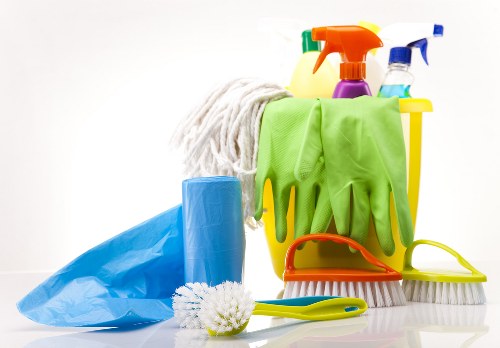
Every business environment has unique cleaning demands, but the reasons for maintaining a clean workplace are surprisingly universal. Clean spaces reduce distractions, support health, and create a stronger sense of order. For employees, a spotless workplace can improve comfort and morale. For customers, it reinforces trust and professionalism. And for business owners, it helps protect expensive equipment, flooring, furnishings, and interior finishes.
Commercial cleaning also has a measurable impact on safety. Spills, dust buildup, clutter, and unsanitized surfaces can all lead to accidents or illnesses. In high-traffic areas, these risks multiply quickly. Professional cleaning schedules help reduce slip hazards, manage allergens, and lower the spread of germs in shared spaces. That is especially important in industries where health and safety protocols are essential, such as healthcare, education, hospitality, and food service.
Another key reason commercial cleaning matters is consistency. A business may be able to tidy up in-house from time to time, but maintaining a truly clean environment requires a structured approach. Regular commercial cleaning services help ensure no area is neglected, from lobbies and restrooms to break rooms and storage spaces. This consistent care supports operational efficiency and helps prevent problems before they become costly repairs or disruptions.
What Commercial Cleaning Typically Includes

Commercial cleaning services can vary depending on the type of facility, but most plans include a combination of recurring and specialized tasks. Standard services often focus on daily or weekly maintenance, while deeper services may be scheduled monthly or quarterly. A tailored plan helps ensure the facility receives the right level of attention without wasting time or resources.
Common commercial cleaning tasks include vacuuming, mopping, sweeping, dusting, trash removal, restroom sanitation, surface wiping, and replenishing supplies. Many providers also clean glass doors, lobby furniture, kitchenettes, elevators, and shared workstations. In larger buildings, janitorial teams may use specialized equipment to clean carpets, buff floors, or sanitize large open areas more efficiently.
Depending on the industry, commercial cleaning may also include sector-specific services such as medical-grade disinfection, warehouse debris removal, post-construction cleanup, or electrostatic spraying for high-touch surfaces. The best cleaning plans are flexible and built around actual usage patterns. Every facility has different needs, and a good commercial cleaning provider will adapt accordingly.
Industries That Rely on Commercial Cleaning
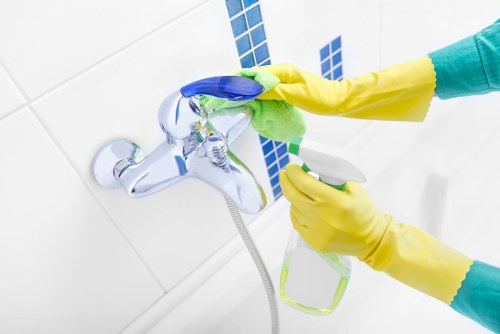
Commercial cleaning plays a critical role across many industries. Offices depend on clean environments to support focused work and client-facing professionalism. Retail stores need clean floors, display areas, and fitting rooms to encourage customer comfort and confidence. Healthcare facilities require strict sanitation standards to protect patients, staff, and visitors.
Schools and educational facilities also benefit greatly from regular commercial cleaning. Classrooms, hallways, cafeterias, restrooms, and gyms experience heavy daily use, which makes routine cleaning essential for health and organization. Similarly, hospitality businesses such as hotels and event venues rely on immaculate environments to create a positive guest experience.
Other industries with strong commercial cleaning needs include manufacturing plants, warehouses, financial institutions, government buildings, and apartment complexes. In each case, the expectations differ, but the goal remains the same: maintain a safe, clean, and well-presented space that supports the business’s overall mission.
Examples of Facility-Specific Needs
- Offices: desks, conference rooms, shared kitchens, and restrooms
- Medical spaces: disinfection, sanitation, and infection-control protocols
- Retail spaces: entrance areas, fitting rooms, floors, and windows
- Warehouses: debris removal, dust management, and safety-focused floor care
Benefits of Professional Commercial Cleaning Services
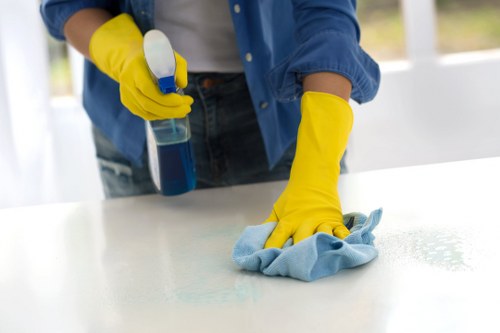
Hiring a professional team for commercial cleaning offers advantages that go far beyond convenience. One of the most important benefits is the quality of work. Professional cleaners use proven systems, commercial-grade tools, and trained procedures to deliver results that are difficult to replicate with internal maintenance alone. They understand how to work efficiently in active environments while minimizing disruption.
Another major benefit is improved health and hygiene. Regular commercial cleaning reduces dust, bacteria, mold risk, and allergen buildup. This can contribute to fewer sick days, better air quality, and improved comfort for everyone in the building. In the current workplace climate, health-conscious cleaning is not optional—it is part of responsible business management.
Professional cleaning can also help businesses save money over time. Clean carpets last longer when maintained properly. Floors retain their finish with regular care. Restrooms and break rooms stay in better condition when sanitized consistently. Instead of facing expensive replacements or emergency repairs, business owners benefit from preventive maintenance that protects the property’s value.
Additional advantages include:
- More consistent results across the entire facility
- Reduced burden on internal staff
- Improved workplace appearance and morale
- Better compliance with hygiene expectations
- Flexible scheduling to fit business hours
How to Choose the Right Commercial Cleaning Partner

Selecting the right provider for commercial cleaning is an important decision. Not every company offers the same level of detail, training, or service flexibility. The best partner will take time to understand the building, the schedule, the type of business, and the priorities that matter most. This is especially important for facilities with strict cleanliness standards or heavy foot traffic.
When evaluating a commercial cleaning company, look for experience in your industry, clear service descriptions, trained staff, and a strong reputation for consistency. It is also helpful to ask about equipment, cleaning products, quality checks, and scheduling options. A reliable provider should be able to build a plan that balances thoroughness with efficiency.
Communication is another important factor. A good commercial cleaning team should be responsive, adaptable, and willing to adjust services as the facility changes. Whether your business needs nightly cleaning, daytime maintenance, or periodic deep cleaning, the provider should be able to support those needs without creating friction or confusion.
Questions to consider before hiring
- Does the company have experience with your type of building?
- What is included in the standard commercial cleaning service?
- Are environmentally friendly products available?
- How are quality control and inspections handled?
- Can the cleaning schedule be customized?
Commercial Cleaning Schedules: Finding the Right Frequency
The ideal commercial cleaning schedule depends on traffic levels, business type, and facility size. A small office with limited visitors may need only a few visits per week, while a busy medical center or retail store may require daily attention. The goal is to match service frequency with actual use so that the environment stays clean without unnecessary expense.
Some businesses benefit from a layered approach. For example, daily maintenance may cover trash removal, restroom cleaning, and surface disinfection, while weekly or monthly services handle deeper tasks like carpet cleaning, floor polishing, or detailed dusting. This balance allows businesses to maintain high standards while controlling costs. In many cases, a flexible commercial cleaning plan delivers the best return on investment.
Commercial cleaning schedules should also account for seasonal changes and special events. During peak flu season, for instance, many facilities increase sanitation efforts. After conferences, sales events, or construction projects, extra cleaning may be necessary. Adapting the schedule ensures the building remains presentable and hygienic in changing conditions.
Common scheduling models
- Daily cleaning: ideal for high-traffic or high-sensitivity facilities
- Weekly cleaning: suitable for smaller offices and low-traffic buildings
- Nightly cleaning: common for offices and retail stores after business hours
- Periodic deep cleaning: used for special maintenance or seasonal refreshes
Eco-Friendly Commercial Cleaning and Modern Expectations
Many businesses now prefer environmentally responsible commercial cleaning practices. Green cleaning products, microfiber systems, reduced chemical use, and water-conscious methods are increasingly popular because they support sustainability without sacrificing results. This approach can be especially attractive to organizations that prioritize wellness, corporate responsibility, or indoor air quality.
Eco-friendly commercial cleaning is not just a trend; it is a practical response to modern expectations. Employees and customers often appreciate environments that use safer products and reduce harsh chemical odors. In some buildings, green cleaning can also help lower irritation for those with allergies or sensitivities. Cleaner air, cleaner surfaces, and cleaner practices make a meaningful difference in how a space feels.
For businesses interested in sustainability, it is worth asking whether a provider offers reusable materials, efficient equipment, and waste-reduction practices. A strong commercial cleaning partner should be able to align with both performance goals and environmental values. That combination can help businesses strengthen their image while maintaining high standards of cleanliness.
What Makes Commercial Cleaning Different from Basic Janitorial Work?
People sometimes use the terms commercial cleaning and janitorial work interchangeably, but there can be important differences. Janitorial work often refers to routine upkeep tasks such as emptying trash, wiping surfaces, restocking restrooms, and basic floor maintenance. Commercial cleaning, on the other hand, can include that routine care as well as more specialized, in-depth, or industry-specific services.
In practice, a commercial cleaning program may combine both janitorial and deeper maintenance functions. That might include carpet extraction, hard floor refinishing, high-dusting, sanitation procedures, and post-event cleanup. The broader scope allows businesses to cover more ground with one coordinated service plan. This is one reason commercial cleaning is often seen as a long-term facility care strategy rather than a simple housekeeping task.
The right mix depends on the building’s demands. A corporate office may need daily janitorial support plus monthly carpet care. A clinic may require disinfecting routines and specialized sanitation. A warehouse may need sweeping and debris control alongside periodic deep cleaning. Understanding these distinctions helps businesses choose services that are practical, effective, and budget-conscious.
Common mistakes businesses make
- Choosing service based on price alone
- Using a one-size-fits-all cleaning plan
- Ignoring high-touch and high-risk areas
- Delaying deep cleaning until problems appear
- Overlooking the impact of scheduling on staff and visitors
How Commercial Cleaning Supports Brand Image
Brand image is not built only through advertising, logos, or customer service scripts. It is also shaped by the physical space where a business operates. A polished and organized environment communicates care, professionalism, and attention to detail. That is why commercial cleaning can have a direct effect on how a brand is perceived by visitors, vendors, and staff.
When a building looks neglected, customers may assume the business is disorganized in other areas as well. When it looks fresh and well cared for, it suggests reliability. This is especially important for businesses that host clients in person. Clean meeting rooms, tidy reception areas, and spotless restrooms can all reinforce confidence in the company’s standards.
For growing businesses, this visual consistency matters even more. A strong commercial cleaning routine ensures the environment reflects the brand’s values as the company expands. Professional commercial cleaning helps support that image day after day, quietly but powerfully, behind the scenes.
Creating a Better Workplace Through Consistent Cleaning
A cleaner workplace is often a more productive workplace. People tend to work better in spaces that feel organized, sanitary, and comfortable. When desks are free of clutter, common areas are maintained, and restrooms are clean, employees can focus more easily on their responsibilities. That is one reason businesses invest in commercial cleaning as part of a broader workplace strategy.
Consistency is the key. Sporadic cleaning may improve appearance temporarily, but only a dependable routine creates lasting results. Over time, commercial cleaning helps reduce wear, improve morale, and keep standards high. It also helps businesses respond more quickly to unexpected messes, seasonal demands, or changing occupancy levels.
For organizations that want to strengthen both operations and presentation, commercial cleaning is a smart investment. It supports health, safety, efficiency, and professionalism all at once. If your business wants to create a stronger impression and maintain a better environment, book your service now and take the next step toward a cleaner, more polished space.
Final takeaways
- Commercial cleaning improves appearance and hygiene
- It supports employee wellness and customer confidence
- Professional services provide consistent, specialized results
- Flexible schedules help match cleaning to business needs
- Choosing the right partner makes a lasting difference
Contact us today to explore a commercial cleaning solution that fits your facility, your schedule, and your goals.