End of Tenancy Cleaning in
Why End of Tenancy Cleaning Matters

End of tenancy cleaning in is one of the most important tasks renters face when moving out of a property. Whether you are leaving a flat, apartment, house, or studio, a thorough clean can make the difference between a smooth handover and a frustrating dispute over your deposit. Many tenants underestimate how detailed end of tenancy cleaning needs to be, but landlords and letting agents often inspect every visible and hidden surface.
At its core, end of tenancy cleaning is about returning the property to the same standard of cleanliness it had at the start of the tenancy, allowing for fair wear and tear. This usually means deep cleaning kitchens, bathrooms, living rooms, bedrooms, hallways, and even often-forgotten areas such as skirting boards, light switches, and inside cupboards. A proper tenancy cleaning routine helps prove that the home has been cared for responsibly.
For many tenants, this task is not just about appearances. It is also about avoiding unnecessary deductions from the security deposit. With the right approach, end of tenancy cleaning can protect your finances, reduce stress, and leave the property ready for the next occupant. If you are planning a move, it is worth understanding what is expected and how professional cleaning services can help.
What Is End of Tenancy Cleaning?
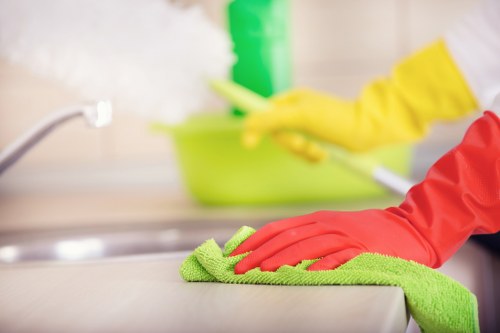
End of tenancy cleaning in refers to a detailed, top-to-bottom clean carried out when a tenant is moving out. Unlike routine weekly cleaning, this process is more intensive and focuses on removing built-up dirt, stains, grease, limescale, dust, and grime from all areas of the home. It is commonly required by landlords, estate agents, and property managers before a tenancy ends.
The purpose of tenancy cleaning is to restore the property as closely as possible to the condition documented in the inventory or check-in report. This does not mean the home must look brand new, but it should be cleaned to a professional standard. Kitchens should sparkle, bathrooms should be hygienic, carpets should be refreshed, and appliances should be cleaned inside and out.
Many renters choose professional end of tenancy cleaning because it saves time and reduces the risk of missing important details. Others prefer a DIY approach, especially if they are confident they can meet the expected standard. Either way, the key is to be systematic, thorough, and aware of what landlords typically inspect.
Common Areas Included in a Cleaning Checklist
Although requirements may vary depending on the tenancy agreement, a typical checklist often includes:
- Dusting and wiping all surfaces
- Cleaning inside and outside of cupboards
- Degreasing kitchen appliances
- Scrubbing sinks, taps, toilets, baths, and showers
- Vacuuming and mopping floors
- Cleaning mirrors, windows, and glass surfaces
- Removing cobwebs and dust from corners
Why Property Cleanliness Affects Deposit Returns

One of the main reasons tenants invest in end of tenancy cleaning in is the security deposit. When a property is returned in poor condition, landlords may use part of the deposit to cover cleaning costs. In some cases, deductions can be substantial, especially if the property requires professional attention after move-out.
Deposit disputes often happen because tenants and landlords have different expectations. A tenant may feel they cleaned thoroughly, while the inventory report may show stains, grease marks, dust, or limescale that need attention. This is why a careful end of tenancy cleaning plan is so valuable. It helps bridge the gap between what feels “clean enough†and what is actually required.
To improve your chances of receiving your full deposit, focus on the areas that tend to be checked most closely: ovens, extractor fans, sinks, toilets, shower screens, windows, and floors. A professional end of tenancy cleaning service can also provide a receipt or proof of cleaning, which may support your case during inspection.
Benefits of a Thorough Clean Before Moving Out
A detailed cleaning session offers several benefits, including:
- Reduced risk of deposit deductions
- Better impression during final inspection
- Less stress during the moving process
- Improved chance of a quick handover
- Cleaner property for the next tenant
Rooms That Need the Most Attention

Every room matters during end of tenancy cleaning in , but some areas need more effort than others. Kitchens and bathrooms are usually the biggest priorities because they collect grease, moisture, soap residue, and bacteria. Bedrooms and living spaces also need deep cleaning, especially if carpets, upholstery, or walls have been marked over time.
In the kitchen, it is important to clean behind and under appliances where possible, remove food debris, and degrease all surfaces. The oven is a major inspection point, and so is the fridge if it remains in the property. Cupboards should be empty, wiped, and free from crumbs or stains. Sinks should be polished, taps descaled, and floors mopped thoroughly.
Bathrooms should be sanitized carefully. Limescale around taps, showerheads, tiles, and glass doors is a common reason for complaints. Toilets must be cleaned inside and outside, and mirrors should be streak-free. A good tenancy cleaning process will also include the removal of mildew where possible, along with attention to extractor fans and grout lines.
Living Rooms and Bedrooms
Although these areas may seem easier, they still require attention. Dust can collect on skirting boards, shelves, curtain rails, and behind furniture. Carpets should be vacuumed and treated for stains where needed. If the property has laminate or wooden flooring, mop or clean it according to the manufacturer’s recommendations.
DIY vs Professional End of Tenancy Cleaning

Tenants often ask whether they should clean the property themselves or hire a professional company. The answer depends on budget, time, and confidence in achieving the required standard. Both options can work, but each has advantages and disadvantages.
DIY end of tenancy cleaning can save money, which is attractive when moving costs are already high. However, it requires significant time, effort, and the right tools. Without professional-grade products and equipment, some stains, grease, or limescale may be difficult to remove. If the tenancy agreement specifies a high standard, DIY cleaning may not be enough.
Professional end of tenancy cleaning, on the other hand, is ideal for tenants who want a more reliable result. Experienced cleaners understand what agents and landlords look for and often work from a detailed checklist. They can deep clean ovens, bathrooms, carpets, and difficult-to-reach areas more efficiently than most tenants can on their own.
When Professional Cleaning Makes the Most Sense
- You are short on time before moving out
- The property is large or heavily used
- There are stubborn stains or built-up grime
- Your tenancy agreement requires a professional standard
- You want peace of mind before the final inspection
For many people, the best approach is a mix of personal preparation and professional support. You might remove belongings and do a light tidy-up, then book a deep end of tenancy cleaning service for the final stage.
How to Prepare for a Move-Out Clean
Preparation is just as important as the cleaning itself. Before starting your end of tenancy cleaning in , it is wise to declutter, pack belongings, and make sure all rooms are empty. Cleaning around furniture is possible in some cases, but a full deep clean is far easier when the property is cleared.
Start by checking your tenancy agreement and inventory report. These documents may contain specific requirements, such as carpet cleaning, professional oven cleaning, or steam-cleaning upholstery. Understanding these expectations early can save time and reduce the likelihood of missed tasks. It is also smart to take photos of the property before and after cleaning, especially if you anticipate any disputes.
Before you begin, gather your supplies. A well-stocked kit may include:
- All-purpose cleaner
- Glass cleaner
- Descaler
- Degreaser
- Disinfectant
- Microfibre cloths
- Sponges and scrubbers
- Vacuum cleaner
- Mop and bucket
- Rubber gloves
Cleaning Order That Saves Time
Work from top to bottom and from the cleanest rooms to the dirtiest. This prevents dust and debris from falling onto already cleaned surfaces. A smart order is:
- Dust ceilings, corners, and fixtures
- Clean walls, switches, and skirting boards
- Wipe surfaces, cupboards, and furniture
- Deep clean bathrooms and kitchen appliances
- Vacuum carpets and mop floors last
Detailed Tips for a Better Result
Success with end of tenancy cleaning often comes down to careful detail. Small things can make a big difference during inspection. For example, a sink may look clean from a distance, but a closer look can reveal soap residue, food particles, or hard-water marks. Similarly, a mirror may appear acceptable until natural light highlights streaks.
Use a methodical approach in each room. Wipe handles, light switches, door frames, and vents, as these areas are frequently touched and often overlooked. Remove dust from the tops of cupboards and wardrobes, not just the front surfaces. Pay special attention to areas around radiators, windowsills, and under sinks.
If the property has carpets, vacuum slowly and in overlapping passes to remove embedded dust. For tougher stains, treat them as early as possible. If the floor is hard surface, clean it after all dusting is complete so you do not need to redo it. This is one reason why end of tenancy cleaning in is easier when handled room by room, with a clear plan.
High-Impact Areas Often Missed
- Inside the oven door
- Extractor fan covers
- Behind toilets
- Under furniture
- Window tracks
- Top edges of doors
- Light fittings
- Inside kitchen drawers
What Landlords and Agents Usually Check
During the final inspection, landlords and letting agents typically look for visible cleanliness and signs of neglect. They may open cupboards, inspect bathroom fixtures, check floors, and assess whether appliances are free from grease and dirt. If a property smells fresh and looks well maintained, that can support a positive outcome.
Some of the most common inspection points include ovens, sinks, taps, toilets, shower screens, windows, carpets, and kitchen cabinetry. They may also compare the current condition against the check-in inventory. This is why tenancy cleaning should never be rushed at the last minute. The goal is not just to “look tidy†but to meet the standard expected in the agreement.
Remember that fair wear and tear is not the same as dirt. Slight fading, minor scuffs, or normal use of fixtures may be acceptable. However, stains, grease, dust, mould, and food residue often are not. A proper end of tenancy cleaning routine focuses on removing those avoidable issues before the inspection takes place.
How to Reduce Inspection Problems
- Follow the inventory report carefully
- Fix minor issues where permitted
- Remove all rubbish and personal items
- Check hidden areas such as cupboards and corners
- Keep proof of cleaning, receipts, and photos
Why Local Moving-Out Cleaning Services Are Popular
Many tenants search for end of tenancy cleaning in because they want fast, reliable support near the end of a tenancy. Local services are popular because they can usually fit around move-out deadlines and understand the expectations of nearby landlords and agencies. This local knowledge often helps ensure the clean meets the right standard the first time.
Another reason people choose local cleaners is convenience. Moving home is already stressful, and arranging transport, utilities, packing, and handover tasks can take up most of the day. Hiring experienced cleaners means one less major task to manage. It also lets tenants focus on moving in or settling into their next home.
When searching for a cleaning service, look for businesses that offer a detailed checklist and use professional products and equipment. A company that specializes in end of tenancy cleaning will usually know how to handle ovens, bathroom scale, carpet refreshes, and the fine details that matter during inspection.
Signs of a Reliable Service
- Clear cleaning checklist
- Flexible booking times
- Experience with move-out cleans
- Attention to detail
- Ability to handle multiple property types
Cost, Value, and Peace of Mind
Cost is always a factor when planning end of tenancy cleaning in , but it should be weighed against the potential cost of deposit deductions. A professional clean may seem like an added expense, yet it can save money if it helps you avoid losing part of your deposit for cleaning-related issues.
The value of end of tenancy cleaning also lies in peace of mind. Instead of worrying about whether the kitchen is clean enough or whether the bathroom will pass inspection, you can move forward with confidence. That confidence is especially useful during a busy move when time and energy are already stretched.
For tenants with busy schedules, families, or large properties, professional cleaning may be the most practical choice. It allows you to meet tenancy obligations without adding extra pressure at an already demanding time. If you want to protect your deposit and reduce last-minute stress, book your service now and get the property ready for handover.
Final Checklist Before Handover
- Remove all personal belongings
- Empty bins and dispose of rubbish
- Check cupboards, drawers, and shelves
- Wipe all surfaces one last time
- Turn off appliances if required
- Return keys as instructed
End of tenancy cleaning is not just another chore. It is a practical step that can influence how smoothly your move ends and whether your deposit is returned without unnecessary deductions. Whether you choose to do it yourself or hire professionals, the key is preparation, attention to detail, and consistency. A clean property creates a positive final impression and helps close one chapter on the right note. If you are approaching move-out day, take action early, stay organized, and contact us today to arrange a service that fits your timeline.