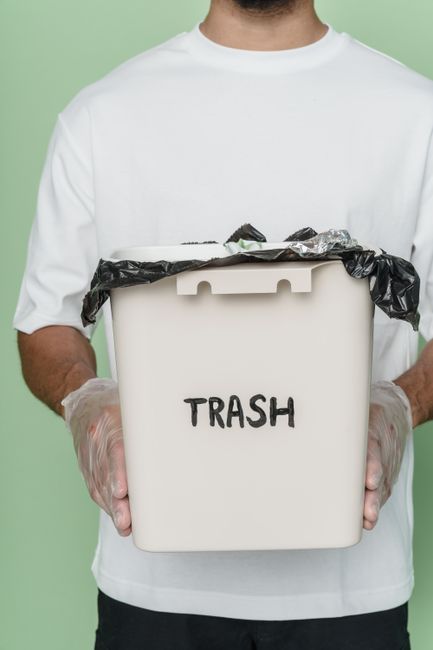
What to know about disposal rules for cleaning contractors SW7
If you hire or manage cleaning contractors in SW7, disposal rules can feel like one of those behind-the-scenes details that suddenly becomes very important. The bins, sacks, sharps, chemicals, cloths, vacuum waste, and post-clean debris all need handling properly, and the wrong approach can create mess, complaints, or avoidable risk. What to know about disposal rules for cleaning contractors SW7 is really about keeping a job safe, tidy, compliant, and efficient from start to finish.
In practice, that means understanding what can go in general waste, what must be separated, what needs specialist handling, and what should never be left to guesswork. It also means knowing how disposal expectations change between a domestic clean, an office cleaning visit, a deep cleaning job, or an after builders cleaning project. The good news? Once the basics are clear, it becomes far easier to avoid problems and keep standards high.
Below, you'll find a practical guide to disposal rules for cleaning contractors in SW7, including how the process works, common mistakes, compliance considerations, and a realistic checklist you can actually use. Nothing fancy. Just the useful stuff.
Why disposal rules matter in SW7
Disposal rules matter because cleaning is not only about making a place look better; it is also about what leaves the property afterwards. Used cloths, mop heads, food residue, packaging, broken items, razors, dirty PPE, and chemicals all create different disposal needs. In a busy area like SW7, where many properties are managed carefully and neighbours notice noise, odours, and bin overflow quickly, a sloppy disposal process can stand out fast.
There is also a trust factor. A contractor who handles waste neatly usually handles the rest of the job neatly too. That sounds simple, but it really is true. If a team leaves rubbish bags in the wrong place, uses the wrong bin, or forgets to separate hazardous material, clients start asking questions. Fair enough, really.
For landlords, managing agents, offices, serviced accommodation, and households, disposal rules help protect interiors, reduce cross-contamination, and avoid unpleasant surprises after the cleaners have gone. If a clean includes carpet work, upholstery work, or oven degreasing, the waste stream can be more varied than people expect. Grease-soaked paper towels, detergent residue, and heavy soil must be treated with more care than everyday household rubbish.
In short, disposal rules matter because they affect safety, compliance, reputation, and the final result. Not glamorous, maybe. But absolutely central.
How disposal rules work day to day
Most disposal systems for cleaning contractors are built around one simple idea: separate waste by type before it leaves the site. That sounds obvious, but in the middle of a fast-moving job it can be easy to forget. A cleaner might be shifting between rooms, dealing with wet waste, collecting debris, and managing supplies. If the waste plan is unclear, everything starts to blend together.
In a typical SW7 job, disposal works in stages:
- Identify the waste type. Is it general rubbish, recyclable packaging, contaminated cloths, broken glass, sharp items, or chemical waste?
- Contain it properly. Use the right bag, bin, tub, or sealed container so nothing leaks, spills, or creates a hazard in transit.
- Keep hazardous and non-hazardous waste separate. This is especially important for chemicals, aerosols, blades, needles, and heavily contaminated materials.
- Move waste safely. Avoid carrying open containers through hallways or shared spaces where they could drip or smell.
- Dispose according to the site and contract terms. Some waste can go into general waste; some must be removed off-site by the contractor; some may need specialist collection.
For example, a regular domestic cleaning visit may produce little more than dust, packaging, and the occasional empty bottle. By contrast, end of tenancy cleaning or move out cleaning can produce more mixed waste: forgotten food, broken hangers, old liners, limescale debris, and items left in cupboards. In after-build situations, the waste can include plaster dust, tape, dust sheets, protective wrap, and other post-project mess that needs careful handling.
One practical point people miss: disposal rules are not only about what you throw away. They also cover how you store waste temporarily, who is allowed to remove it, and whether the waste belongs to the client, the contractor, or a specialist waste carrier. That's the bit that gets overlooked until something goes wrong.
Key benefits and practical advantages
Good disposal practice does more than keep a site tidy. It improves the whole cleaning operation from a business and client perspective.
- Less contamination: Waste from one area does not spread to another.
- Better hygiene: Food waste, soiled materials, and damp debris are removed efficiently.
- Safer working conditions: Fewer slips, cuts, and trips around open bags or loose rubbish.
- Cleaner presentation: Clients notice when bins are left sorted and the space feels genuinely finished.
- Reduced risk of complaints: No one enjoys finding a forgotten bag in a communal corridor at the end of a clean.
- More consistent pricing: A defined waste process helps contractors estimate time and disposal effort more accurately.
There is also a quieter benefit: peace of mind. When disposal is handled properly, everyone relaxes a bit. The client does not have to ask where the rubbish went, and the contractor does not have to scramble to fix a mistake later. It saves those awkward phone calls no one wants.
If sustainability matters to you, this is also where recycling and disposal planning can sit together. A contractor who thinks about waste reduction, recycling separation, and reusable materials can make a noticeable difference to the environmental footprint of a job. That is especially relevant for recurring services such as regular cleaning and one-off cleaning.
Who this is for and when it makes sense
This topic matters to a fairly wide group. If you manage a property or arrange cleaning in SW7, you will probably benefit from knowing the disposal rules even if you do not handle waste yourself.
- Homeowners and tenants: to understand what cleaners can and cannot remove, and how waste should be left after a visit.
- Landlords and letting agents: especially for house cleaning, end of tenancy cleaning, and move in cleaning.
- Office managers: where recycling, packaging, confidential waste, and communal bins can all become part of the workflow.
- Hospitality hosts: for turnover cleans linked to airbnb cleaning or guest changeovers.
- Building and refurbishment clients: where post-construction waste, dust, and materials need controlled removal.
It makes the most sense to focus on disposal rules whenever the job involves more than light surface cleaning. If there is waste beyond a normal domestic dustbin, or if the site has shared access, specialist surfaces, sharp items, or chemical products, then a proper disposal plan is worth having. Simple as that.
And if you are comparing providers, ask how they manage waste as part of their service. A confident answer is usually a good sign. A vague one? Not ideal.
Step-by-step guidance
Here is a practical way to handle disposal rules without turning the whole thing into a headache.
1. Identify the waste before the clean starts
Walk through the property and note likely waste types. In a kitchen, that might mean food waste, packaging, and disposable cloths. In a bathroom, it could mean hair, used paper, old product containers, and potentially sharper items such as broken glass or razor heads. For oven cleaning, grease-heavy residue and burnt debris may need separate handling.
2. Decide what can stay on site and what must leave
Some waste belongs in the client's bins if they are suitable and available. Other waste may need to leave with the contractor, especially if it is contaminated, bulky, or not allowed in site bins. That decision should be made before the work becomes messy. Waiting until the end is where people get caught out.
3. Separate general, recyclable, and hazardous waste
General waste is the catch-all for non-recyclable everyday rubbish. Recyclables may include cardboard, some plastics, and clean packaging, depending on the site's arrangements. Hazardous items should never be mixed casually with either. Chemicals, aerosols, sharps, and heavily contaminated materials need extra caution.
4. Use the right containers
Heavy-duty sacks, sealed tubs, labelled bins, or sharps containers may all be relevant depending on the job. A flimsy bag that tears halfway down the stairs is one of those little disasters that feels very preventable in hindsight.
5. Remove waste safely and discreetly
In SW7, where access can mean shared entrances, narrow hallways, or busy streets, it helps to move waste in a controlled way. No dragging, no leaking, no leaving bags in public areas. Clean removal should feel calm and efficient, almost invisible if possible.
6. Record issues where needed
If the contractor finds unexpected hazardous waste, broken items, or extra volume, it should be documented and flagged promptly. That protects everyone. It also avoids the old "we never discussed that" problem later on.
Expert tips for better results
Here are a few practical tips that make a real difference, especially for recurring contractors in South Kensington and the wider SW7 area.
- Set the disposal plan in writing. Even a simple note in the job brief can prevent confusion later.
- Use separate liners for different waste streams. It sounds basic, but it keeps things moving.
- Keep a small kit for awkward items. Gloves, tie wraps, labels, a sharps-safe container if needed, and spare sacks can save time.
- Build a final sweep into the job. The last five minutes often catch the problem no one saw earlier.
- Match the disposal method to the service type. A carpet cleaning job does not create the same waste as communal area cleaning or window cleaning.
One small but useful habit: ask whether the property has any rules for bin access, recycling days, or waste storage. In apartment buildings, that detail can matter more than the cleaning itself. Sounds a bit odd, but there it is.
For larger or repeated jobs, it also helps to review disposal performance after the clean. Did the team leave too much packaging onsite? Were the sacks too small? Did recycling get mixed into general waste? Tiny tweaks here can improve the whole operation.
Common mistakes to avoid
Most disposal problems come from a handful of predictable mistakes. The good news is they are easy to avoid once you know what to watch for.
- Mixing waste types together. This is the fastest way to create a compliance headache.
- Overfilling bags. Heavy bags split, and split bags create mess very quickly.
- Leaving waste in shared spaces. Hallways, communal bins, and entrance areas are not holding bays.
- Ignoring chemical packaging. Empty does not always mean harmless.
- Assuming the client's bin can take everything. It often cannot.
- Failing to plan for bulky or awkward items. Some waste simply needs a different approach.
A common one in practice: a contractor finishes an office cleaning job and leaves a few bags near the loading entrance because the internal bins are full. It seems minor at 6pm. By the next morning, it looks untidy, can smell a bit off, and can prompt complaints. Not worth it.
Another mistake is treating every clean the same. A deep clean after a long vacancy can produce very different disposal needs from a routine weekly visit. If the waste plan stays identical, the result usually suffers.
Tools, resources and recommendations
You do not need a huge kit to manage disposal properly, but a few basics make the work much easier.
| Tool or resource | What it helps with | Best use |
|---|---|---|
| Heavy-duty waste sacks | Holding mixed cleaning waste safely | General domestic and commercial cleans |
| Colour-coded liners or labels | Separating waste streams | Recurring sites and larger properties |
| Sealable tubs or lidded containers | Containing damp or messy waste | Kitchen, bathroom, and post-build work |
| Gloves and protective PPE | Reducing contact with contaminated waste | Any job involving sharp or soiled items |
| Job notes or waste log | Tracking unusual waste and removal decisions | Property management and commercial contracts |
If you want to tighten up the whole service offering, it can help to align disposal guidance with your broader operational policies. The pages on health and safety policy, insurance and safety, and recycling and sustainability are useful references for setting the tone internally and explaining standards to clients.
For clients comparing providers, also consider whether the business is clear about its terms and conditions and pricing and quotes. Disposal handling can affect the final price, especially when waste volume or specialist removal is involved.
Law, compliance, standards and best practice
Disposal rules in the UK are shaped by general environmental, workplace, and duty-of-care expectations. You do not need to turn every cleaning job into a legal seminar, but you do need to understand the basics. In particular, contractors should avoid reckless disposal, keep waste separated where required, and make sure any hazardous or controlled items are handled responsibly.
The practical standard for most cleaning contractors is straightforward:
- do not place hazardous waste in general waste streams if that creates risk;
- do not leave waste where it blocks access or creates a trip hazard;
- do not mix recyclable material with contaminated material if separation is expected;
- do not dispose of client property without clear authority;
- do not store waste in a way that attracts pests, smells, or leakage.
That last one matters more than people think. A damp cloth bundle sitting in a back room for too long can become unpleasant quickly, especially in warm weather. You can almost smell the problem before you see it.
For contractors working in commercial settings or shared buildings, it is wise to understand site-specific rules too. Some properties have strict waste room access, recycling separation, or collection timing arrangements. If your cleaning team also handles communal area cleaning, those rules can be even more important because one mistake affects multiple residents or businesses, not just one client.
Best practice is to keep the approach proportionate. A small domestic clean should not be burdened with unnecessary complexity, but a bigger contract absolutely should have a clear disposal method. That balance is what keeps the service practical.
Options, methods, or comparison table
Different cleaning jobs call for different disposal approaches. Here is a simple comparison that helps set expectations.
| Method | Best for | Advantages | Watch-outs |
|---|---|---|---|
| Client bin disposal | Light domestic waste and routine cleans | Simple, fast, low cost | Only works if the bin has capacity and the waste is suitable |
| Contractor removal | Bulky bags, heavy debris, awkward waste | Cleaner finish, better control | May require extra time or charge |
| Separated recycling | Packaging, cardboard, clean recyclables | Supports sustainability and tidiness | Must stay uncontaminated to be useful |
| Specialist handling | Sharps, chemicals, heavily contaminated waste | Safer and more compliant | Needs proper planning and may not suit every provider |
There is no single best method for every situation. The right choice depends on the site, the type of clean, and the waste involved. That is why a good contractor will ask questions before starting instead of just winging it. Winging it is not a strategy, despite what some people seem to believe.
Case study or real-world example
Here is a realistic example from the kind of work that comes up often in SW7.
A landlord needed a vacant flat cleaned before new tenants moved in. The job included a light kitchen refresh, bathroom sanitising, dust removal, and some minor clear-up after the previous occupants. Nothing dramatic. But there were several small waste issues: a broken lamp shade, food packaging in a cupboard, empty bathroom product bottles, and a few damp cloths from the final wipe-down.
Instead of mixing everything into one bag, the contractor separated the waste into three groups: general rubbish, clean recyclables, and damp disposable materials. The broken item was wrapped safely, the bags were removed at the end of the job, and the bins were left in good order. No smell, no spill, no extra complaint from the managing agent. Just a cleaner handover.
That might sound ordinary. It is. And that is the point. Good disposal rules usually prevent drama rather than create headlines. A tidy final state, a clear bin area, and no awkward messages afterwards - that's the win.
For a heavier job, such as one off cleaning after a long-empty property or after builders cleaning, the same principle applies, just on a bigger scale. The more varied the waste, the more important the plan.
Practical checklist
Use this checklist before and during a clean to keep disposal on track.
- Identify likely waste types before starting.
- Confirm whether the client's bins can be used.
- Separate general waste, recycling, and any hazardous items.
- Keep sharp or broken items safely wrapped or contained.
- Use strong bags and do not overload them.
- Remove waste promptly, not at some vague later point.
- Check for spills, drips, or residue before leaving.
- Make sure shared spaces are left clear.
- Record any unusual waste or client instructions.
- Review what could be done better next time.
If you are dealing with more specialist soft furnishings, remember that sofa cleaning, upholstery cleaning, rug cleaning, and mattress cleaning can all create different waste issues, especially around packaging, protective materials, or heavily soiled disposable cloths. Slightly annoying, yes. But manageable with the right setup.
Conclusion
When you strip it back, disposal rules for cleaning contractors in SW7 are really about care, clarity, and control. Know what the waste is, separate it properly, move it safely, and do not leave the end of the job to chance. That one habit can protect hygiene, reduce complaints, support compliance, and make the whole service feel more professional.
For clients, the smart move is to ask how disposal is handled before the job begins. For contractors, the smart move is to make disposal part of the standard process rather than an afterthought. It does not have to be complicated, but it does have to be consistent. That is the bit people remember.
Get a free quote today and see how much you can save.
If you want to understand the company behind the service, you can also review the about us page and see how their standards are presented across policies and services. A little due diligence goes a long way, to be fair.
Frequently Asked Questions
What counts as cleaning waste for contractors in SW7?
Cleaning waste can include dust, disposable cloths, packaging, empty product containers, food residue, broken small items, and any materials used once and thrown away. The exact mix depends on the job type and property condition.
Can cleaning contractors use the client's bins?
Sometimes, yes. For light, suitable waste, that can be fine if the client agrees and there is enough bin capacity. But contractors should not assume they can use the bins for everything, especially if the waste is bulky, wet, or unsuitable.
Do disposal rules change for commercial cleaning?
They often do. Commercial sites may have recycling separation, restricted waste rooms, access rules, or time windows for disposal. A contractor doing commercial cleaning should always check site expectations first.
What should happen with chemicals and spray bottles?
Empty packaging may still need careful handling if it contains residue. Chemicals should not be mixed casually with general waste. If a product is hazardous or the label gives specific disposal directions, those instructions should be followed.
How do disposal rules affect end of tenancy cleaning?
They matter because vacated properties often contain leftover clutter, mixed rubbish, and forgotten items. During end of tenancy cleaning, the contractor should be clear about what is being removed and what the tenant or landlord must deal with separately.
Are sharps or broken glass treated differently?
Yes. Sharp items need extra care and should be contained so nobody gets cut. Broken glass, blades, and similar items should never be left loose in a bin bag where they can injure someone handling the waste later.
Does recycling always apply to cleaning jobs?
Not always, but it should be considered where suitable. Clean cardboard, some packaging, and certain containers may be recyclable depending on the site setup. Contaminated waste is a different matter and usually cannot be recycled in the same way.
What is the biggest disposal mistake contractors make?
Mixing everything together and hoping it will sort itself out later. It rarely does. That usually leads to messier removals, possible complaints, and unnecessary waste handling problems.
Should disposal be included in the cleaning quote?
It should be discussed, yes. Some jobs include simple waste removal as part of the service, while others need extra time or special handling. Clear pricing and quotes help avoid misunderstandings.
How can I tell if a contractor handles waste properly?
Ask direct questions about waste separation, removal, and unusual materials. A good contractor should explain the process clearly, not act surprised that you asked. That answer tells you quite a lot.
What if the property has communal bins or shared access?
Then the contractor needs to be more careful about timing, bag sealing, and where waste is left while moving it out. Shared spaces can create complaints fast if the disposal process is messy or blocks access.
Why does disposal matter so much in SW7 specifically?
Because properties in SW7 often have tighter access, shared buildings, and higher expectations for presentation. Disposal that looks careless can become noticeable very quickly. A neat, discreet approach helps the whole service feel smoother and more professional.